

Published: February 3, 2026

Written by: Briain Kelly
Reading time: 4mins
A Guide to Mineral Wool Insulation
Mineral wool insulation is one of the most commonly used and versatile materials for home insulation in Ireland. A higher performing successor to the fibreglass commonly found in Irish homes, we explain what mineral wool is and what makes it such a good insulation material.
What is Mineral Wool Insulation?
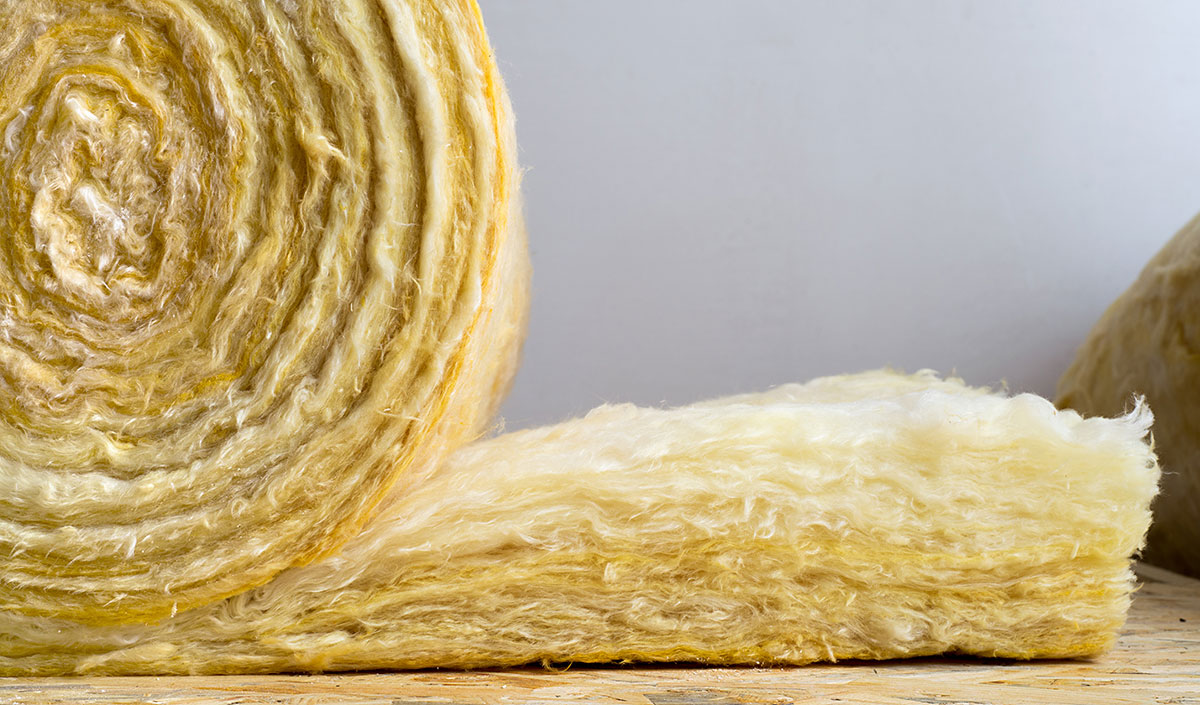
Mineral Wool insulation consists of materials such as glass, stone, or slag runoff, which have been melted down and then spun into fibres.
These fibres are then compacted in layers to make up rolls or larger blocks of insulation material. Mineral wool has become a popular insulation material in recent years as a successor to fibreglass.
Mineral wool combines affordability and ease of use with relatively good thermal performance. It is also known for its noise-dampening properties and strong fire resistance.
How does mineral wool insulation work?
In the manufacturing of mineral wool, the chosen material is melted down at extremely high temperatures. This molten material is then spun rapidly using a technique that is not unlike making cotton candy.
This leaves you with long filaments of material that cool rapidly. The filaments are mixed with a binding substance before being compressed into mats of varying density.
Though the individual fibres are conductors of heat, that changes when they are compressed together. Compressing layers of the mineral fibres into rolls and batts of material, they become excellent at partitioning air. This helps to stop the transfer of both heat and noise.
Types of Mineral Wool Insulation
Mineral wool is a catch-all term that typically refers to one of three different types of materials. There is rock or stone wool, glass wool, and slag wool. These differ from each other in the type of mineral that they are made from.
Rockwool
Rockwool is probably the most expensive and high performing variety of mineral wool. It’s density and high stone content (75%) offers a better thermal performance.
Made From: Primarily aluminosilicate rocks such as basalt, with some added slag and limestone or dolomite.
Thermal Conductivity: 0.034 – 0.044 W/mK
Thermal Resistance R-Value (100mm): 2.27 – 2.94 m2K/W
Slag Wool
Slag wool uses leftover by products from industrial processes that would otherwise go to waste. These are mixed with natural rock for the final mix.
Made From: Smelting slag mixed with natural rock. A 70/30 split that favours slag
Thermal Conductivity: 0.034 – 0.044 W/mK
Thermal Resistance R-Value (100mm): 2.27 – 2.94 m2K/W
Glass Wool
Glass wool is the name which is now commonly used for fibreglass. These are essentially the same product, but the manufacturing processes have improved significantly from the pink fluff that was put in your attic 30 years ago. Modern glass wool has better binders and is less likely to cause irritation to your skin and lungs.
Made From: Sand and Recycled Glass
Thermal Conductivity: 0.035 – 0.044 W/mK
Thermal Resistance R Value (100mm): 2.25 – 2.85 m2K/W
Benefits of Mineral Wool Insulation
Mineral wool insulation is probably the best insulation choice for fire resistance. Mineral wool products typically have a Euroclass A1 rating, certifying them as non-combustible.
Mineral wool is much denser than older fibreglass, but still retains a porous structure. These two factors combined make it excellent at disrupting and absorbing sound. This is especially true when using batts at least 100mm thick.
For large projects, mineral wool offers a very good performance while still coming in less expensive than either sheep’s wool or synthetic rigid boards and spray foam.
Adding more insulation to your home’s attic or walls will increase its BER value. This is an important factor when it comes to the value of your property.
Where in your home can you insulate with mineral wool?
There are many areas in your home where mineral wool insulation can be used. It is a highly versatile material that sits at a cross section of many good qualities. While it is not the best thermal performer compared to PIR or Spray Foam, it is cheaper than both and very easy to install.
Attic Loft Insulation
Mineral wool is the most common way to insulate your attic at the ceiling level between the loft joists.
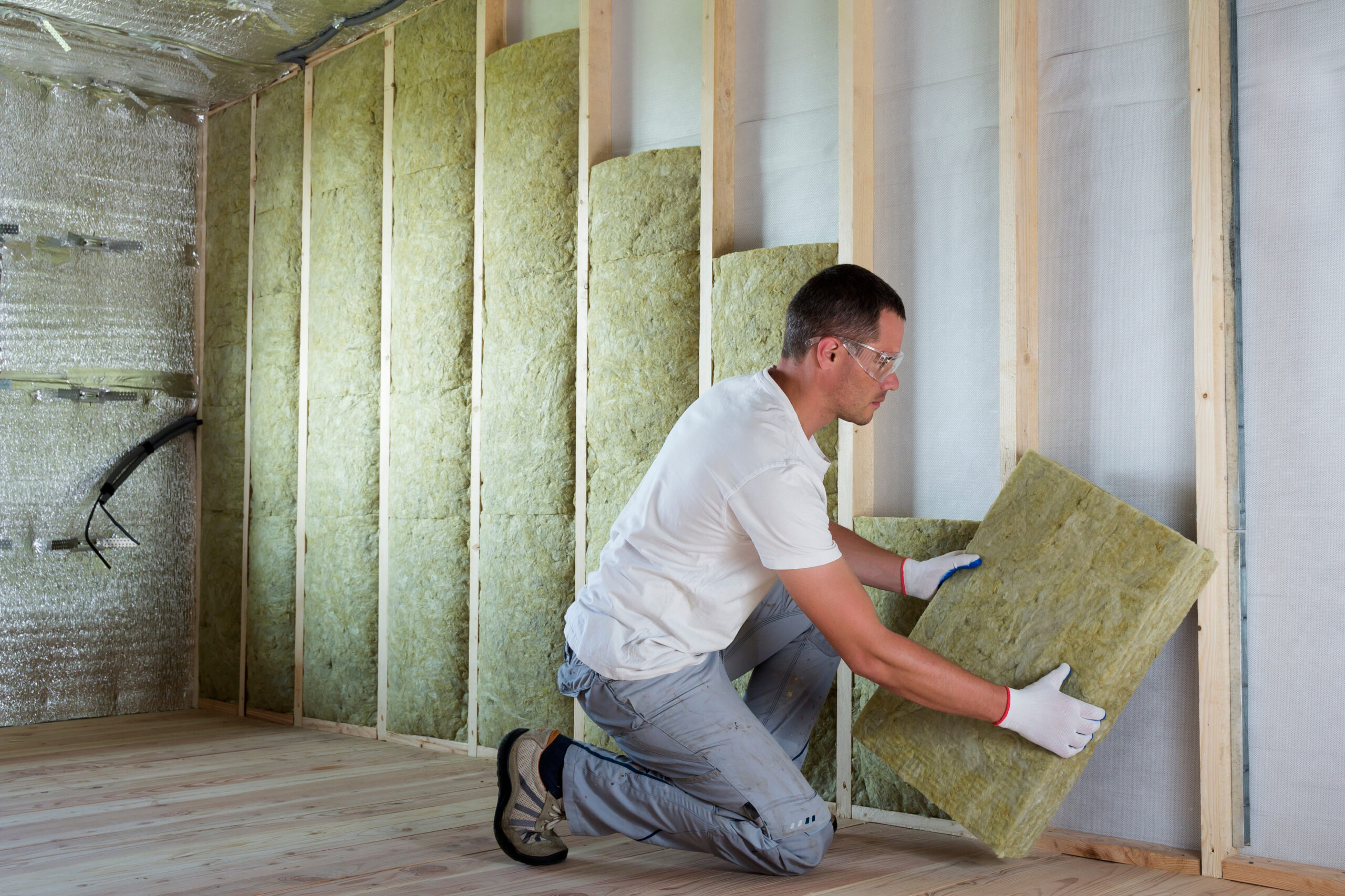
Simple Installation: It is very easy to apply mineral wool between loft joists. You simply have to lay down a first layer between the joists. A second layer then goes on top of the first and the joists, placed at right angles to the first layer.
Easy to Achieve Depth: Since space is not as much of a concern with loft roll insulation, you can easily put down 200-300mm of mineral wool to achieve the best result.
Wall Insulation
Mineral Wool can be used in either the cavity space of new builds, or when retrofitting homes internally or externally.
Cavity Walls: Mineral wool block can be placed inside the cavity space of a wall during new builds. A simple and affordable way to start a home with wall insulation.
Internal Walls: If you are using a stud wall for internal insulation, then mineral wool is frequently used to pack the wall.
External Walls: Mineral wool is also used in external wall insulation, prized for its fire resistance and breathability.
Sound-Dampening: Mineral wool has excellent acoustic insulation properties. This can make it a good choice for insulating walls internally or externally, especially in apartment buildings with multiple units.
Floor Insulation
Mineral wool is often used when retrofitting suspended timber floors with insulation. It is particularly suitable here since it can be tricky to get more rigid materials to fit the space.
Compressibility: Mineral wool can be compressed slightly, even in dense blocks. This is good for fitting tightly into the space between old joists without leaving air gaps.
Simple Installation: Insulating a suspended timber floor with mineral wool is as simple as fitting it into a mesh hammock between the floor joists.
Draught Blocking: The tight fit mineral wool offers is good for blocking draughts coming up from old floors.
Cost of Mineral Wool Insulation
Mineral wool is one of the less expensive insulation materials on the market today. It costs less than solid boards such as PIR, and is also less expensive than its natural equivalent in sheep’s wool.
There are two sides to the cost of mineral wool: the material itself and the full price of the project. The latter will be a combination of the materials cost and the cost of the installation work.
The cost of mineral wool itself can vary significantly based on these factors:
Batt/Roll Thickness: Mineral wool products can come in thicknesses ranging from 50mm to 200mm, with thicker products more expensive per square meter.
Material Density: Some mineral wool products are more densely compacted than others. This affects both their performance and their price. Loose rolls of mineral wool cost less than dense batts of the material
Insulation Type: Rockwool is typically the most expensive variety of mineral wool, while glass wool/fibreglass is the most affordable.
Mineral Wool FAQs
Yes, mineral wool can be removed or replaced extremely easily, even compared to other insulation materials. Mineral wool is frequently only held in place by gravity (attic lofts, floors) or a tight fit (internal walls) without mechanical ties or expanding foam to hold it.
Mineral wool insulation can last anywhere from 30 years to over 50 years. All of this is dependent on it being well installed and not suffering from damp issues.
No, you won’t need planning permission for mineral wool insulation in any case, except possibly for external wall insulation systems.
Some varieties of mineral wool are more water resistant than others. Rockwool repels water far better than glass wool, which can suffer if it is exposed to water long-term.
Save over €500 a year on heating bills with home insulation
Get the best insulation upgrades for your home in just a few easy steps.
Author:
Briain Kelly
EDITOR
Briain Kelly is a Leinster based journalist and content creator who has been writing about energy efficiency and renewable energy technologies for several years now. He researches the latest news in multiple areas related to solar power, electric vehicles, heat pumps, and home energy upgrades. His writing includes both technological developments and government policy.
