

Table of Contents

Large Changes to Energy Efficiency Grants Programmes

Written by: Briain Kelly

Published: February 3, 2026

Last updated: February 3, 2026

Reading time: 4 mins

The numerous grant schemes available for home energy improvements have been updated to include new grant levels and changes to other rules and requirements. These changes have either already come into effect in February or will be implemented in early March.

The government recently published the National Residential Retrofit Plan 2026. This document outlined all the improvements made under SEAI grant schemes and local authority retrofits since 2019.

It also outlined how these programmes are being updated in 2026 to account for rising costs, and to make it easier for homeowners to take advantage of these schemes to make their homes more energy efficient.

Retrofitting Local Authority Homes

The eligibility of social housing owned by local authorities for energy upgrade grants is being expanded to allow for smaller, more targeted upgrades to take place.

In addition to government funded deep retrofits for local authority-owned housing, councils will be able to access Better Energy Homes grants for attic and cavity wall insulation and heating controls.

Solar PV Scheme for Medically Vulnerable People

The pilot scheme that sees energy providers supply fully funded solar panels to their most medically vulnerable customers is being expanded to reach a greater number of people.

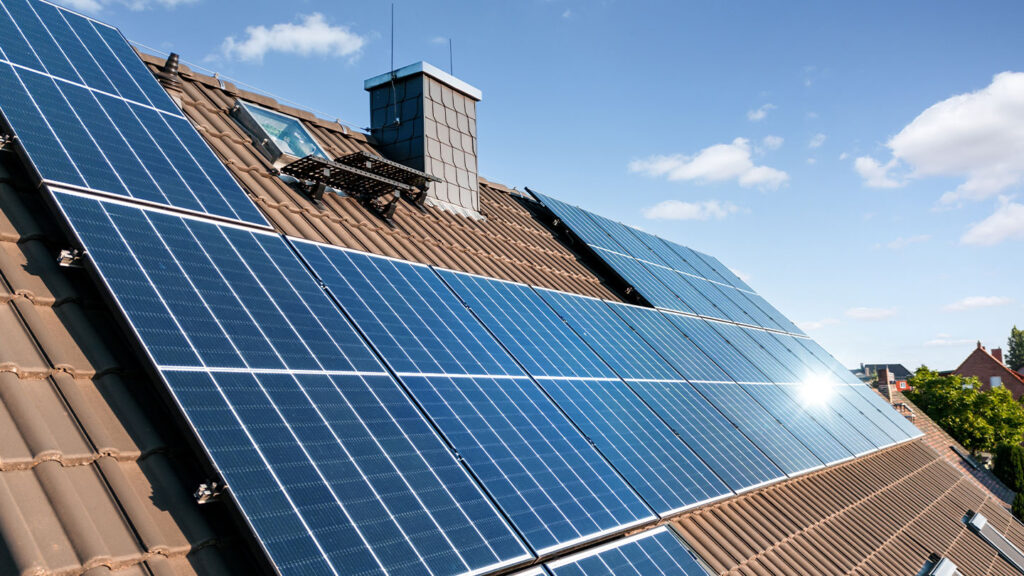
The Solar PV for the Medically Vulnerable Scheme sees energy companies fund a 2kWp solar PV system for people on the life support category of the Priority Services Register.

This means people who are medically dependent on electrical equipment, including medical equipment, life protecting devices and assistive technologies such as dialysis machines and respirators.
two main types of solar power systems

The scheme is operated by the SEAI in conjunction with energy suppliers, with each energy supplier contacting their own eligible customers directly. Four energy suppliers are currently taking part in the scheme.

To date, 473 homes have had solar panels installed under this scheme, with another 200 in progress. Due to its success, the scheme is now being expanded to include all 19,778 people registered in that category as of December 2025.

Windows & Doors Grants

The Better Energy Homes Scheme is also being expanded to include new grants for replacing windows and doors with more efficient versions. Grants for this have already been available if getting a deep retrofit; they will now also be available as individual grants for the first time.

You must be replacing single or double-glazed windows or external doors that are deemed inefficient to make use of this grant. To qualify:

  • Your home must have been built and occupied before 2011.

  • After the upgrade, your home must achieve a ‘Good’ or ‘Very Good’ Heat Loss Indicator on your BER to receive the grant.

In order to make sure that you meet the required Heat Loss Indicator, you must upgrade the fabric of your home first with better insulation. You should get a BER Assessment before applying for the grant to be told what upgrades you need to meet this standard.

Heat Pump Grants

One of the major goals of grants for improving the fabric of your home has been to make it easier for homeowners to convert to a heat pump. However, the high upfront cost, which can include upgrades to your entire heating system, has kept these numbers low.

The grants available for installing heat pumps have been increased from a maximum of €6,500 to €12,500 in light of this. This includes:

  • The maximum of €6,500 for the heat pump.

  • Up to €2,000 for central heating upgrades such as new radiators and pipes.

  • Up to €4,000 Renewable Heat Bonus for upgrading to a Heat Pump.

These new grant levels will apply for the next two years before they are reviewed.

High-Temperature Heat Pump Pilot Scheme

One of the reasons why heat pumps require you to have a home with good insulation and other heat loss prevention methods is their water temperature. The flow temperature of a heat pump is typically between 35°C and 55°C for the greatest efficiency. This is far below the 60°C to 80°C of traditional boilers.

Heat pumps make up for this lower flow temperature by operating 24/7 to keep the temperature constant. But in order to achieve this, they require a home with low levels of heat loss and a modern central heating system.

High temperature heat pumps are meant to make good this gap by operating at temperatures similar to those provided by a traditional boiler. This should hopefully make it easier to retrofit more homes with heat pumps.

However, the government has said that there is limited evidence on the potential of high-temperature heat pumps to replace fossil fuel systems as of yet.

To test their utility, a pilot scheme will be launched to evaluate the performance of high-temperature heat pumps in 100 homes. This will include looking at their running costs to ensure that their running costs remain affordable, and similar to the cost of fossil fuel boilers.

New Insulation Grant Levels

Effective this week, the fixed grants for attic and cavity wall insulation under the Better Energy Homes Scheme have been increased to bring them back to their intended level.

The grants were originally set at 80% of the median cost of both measures. However, increased costs since 2022 have reduced the value of the fixed grants to 75% of that cost for cavity wall and 63% for attic insulation.

Enhanced Insulation Grants

On top of the increased regular grant levels for attic insulation and cavity wall insulation, enhanced grants have also been added for certain specific cohorts. These will come into effect from March 3.

  • First Time Buyers: People buying their first home can receive an attic insulation grant worth 100% of the median cost of these works.

  • Warmer Homes Scheme: People who qualify for fully-funded energy upgrades will be able to get individual grants for attic and cavity wall insulation worth 100% of the median cost of these works.

The enhanced individual grants for people who qualify for fully-funded upgrades are due to the waiting lists for the Warmer Homes Scheme. There are currently approximately 5,000 homes on the waiting list, with an average time of two years for these works to be completed.

Second Wall Insulation Grant

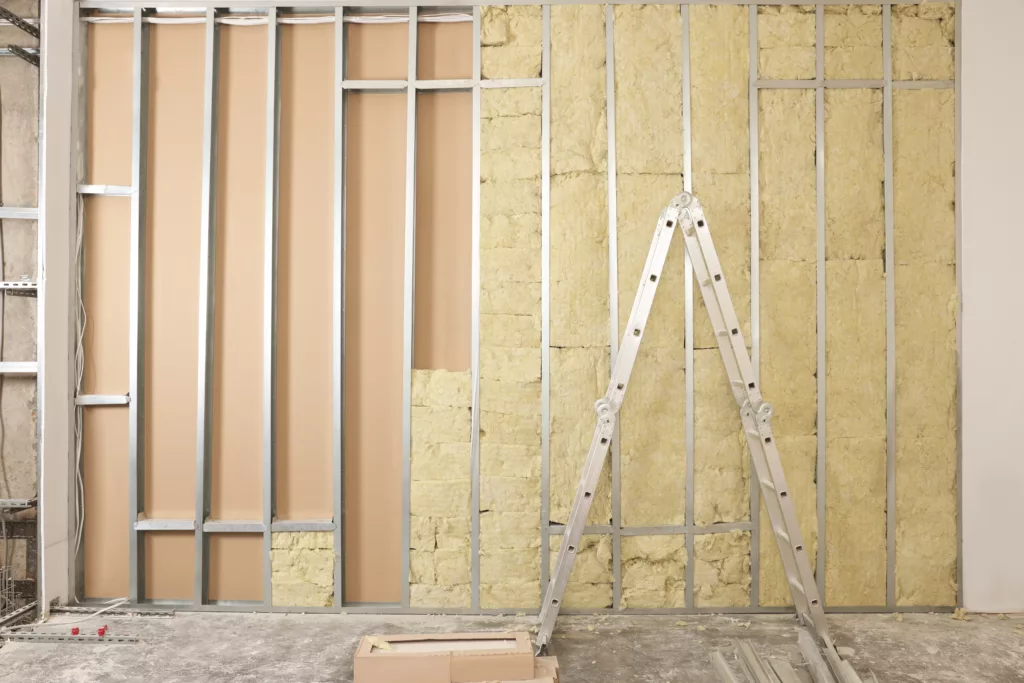
The rules surrounding the three separate wall grants have also been reviewed to allow homeowners to get multiple upgrades. Up until now, if you received a grant for either cavity, internal, or external wall insulation, you could not receive another for a different measure.

These rules are being altered from March 3 to allow homeowners who have already received a cavity or internal wall insulation grant to get another wall insulation grant under the Better Energy Homes Scheme (Individual Upgrades).

This is aimed at homeowners who have already gotten wall insulation, but whose homes still aren’t suitable for a heat pump, as the heat losses are still too high.
Retrofitting Performance Upgrade Requirements

For homes undergoing a deep retrofit using the One Stop Shop Scheme, there have always been two performance requirements under the scheme.

  1. The property must reach a BER of B2 or better once the work is completed.
  2. All homes must achieve a minimum energy improvement of 100kWh/m2/year

These dual requirements have made the deep retrofitting programme much more expensive for homes in the mid-range of energy efficiency if they want to access the grants. In order to achieve the minimum energy improvement requirements, homes which already have a BER in the C2 range have been required to undertake extremely expensive upgrades.

This is true even if they could reach an A rating with much less work, or if the house is already suitable for a heat pump.

The minimum energy improvement requirement for the One Stop Shop deep retrofitting scheme is being removed as of March 3 to make it more accessible for everyone.

Author:

Briain Kelly
EDITOR

Briain Kelly is a Leinster based journalist and content creator who has been writing about energy efficiency and renewable energy technologies for several years now. He researches the latest news in multiple areas related to solar power, electric vehicles, heat pumps, and home energy upgrades. His writing includes both technological developments and government policy.

Large Changes to Energy Efficiency Grants Programmes

Published: February 3, 2026

Last updated: February 3, 2026

Written by: Briain Kelly

Reading time: 4mins

The numerous grant schemes available for home energy improvements have been updated to include new grant levels and changes to other rules and requirements. These changes have either already come into effect in February or will be implemented in early March.

The government recently published the National Residential Retrofit Plan 2026. This document outlined all the improvements made under SEAI grant schemes and local authority retrofits since 2019.

It also outlined how these programmes are being updated in 2026 to account for rising costs, and to make it easier for homeowners to take advantage of these schemes to make their homes more energy efficient.

Retrofitting Local Authority Homes

The eligibility of social housing owned by local authorities for energy upgrade grants is being expanded to allow for smaller, more targeted upgrades to take place.

In addition to government funded deep retrofits for local authority-owned housing, councils will be able to access Better Energy Homes grants for attic and cavity wall insulation and heating controls.

Solar PV Scheme for Medically Vulnerable People

The pilot scheme that sees energy providers supply fully funded solar panels to their most medically vulnerable customers is being expanded to reach a greater number of people.

The Solar PV for the Medically Vulnerable Scheme sees energy companies fund a 2kWp solar PV system for people on the life support category of the Priority Services Register.

This means people who are medically dependent on electrical equipment, including medical equipment, life protecting devices and assistive technologies such as dialysis machines and respirators.

two main types of solar power systems

The scheme is operated by the SEAI in conjunction with energy suppliers, with each energy supplier contacting their own eligible customers directly. Four energy suppliers are currently taking part in the scheme.

To date, 473 homes have had solar panels installed under this scheme, with another 200 in progress. Due to its success, the scheme is now being expanded to include all 19,778 people registered in that category as of December 2025.

Windows & Doors Grants

The Better Energy Homes Scheme is also being expanded to include new grants for replacing windows and doors with more efficient versions. Grants for this have already been available if getting a deep retrofit; they will now also be available as individual grants for the first time.

You must be replacing single or double-glazed windows or external doors that are deemed inefficient to make use of this grant. To qualify:

  • Your home must have been built and occupied before 2011.

  • After the upgrade, your home must achieve a ‘Good’ or ‘Very Good’ Heat Loss Indicator on your BER to receive the grant.

In order to make sure that you meet the required Heat Loss Indicator, you must upgrade the fabric of your home first with better insulation. You should get a BER Assessment before applying for the grant to be told what upgrades you need to meet this standard.

Heat Pump Grants

One of the major goals of grants for improving the fabric of your home has been to make it easier for homeowners to convert to a heat pump. However, the high upfront cost, which can include upgrades to your entire heating system, has kept these numbers low.

The grants available for installing heat pumps have been increased from a maximum of €6,500 to €12,500 in light of this. This includes:

  • The maximum of €6,500 for the heat pump.

  • Up to €2,000 for central heating upgrades such as new radiators and pipes.

  • Up to €4,000 Renewable Heat Bonus for upgrading to a Heat Pump.

These new grant levels will apply for the next two years before they are reviewed.

High-Temperature Heat Pump Pilot Scheme

One of the reasons why heat pumps require you to have a home with good insulation and other heat loss prevention methods is their water temperature. The flow temperature of a heat pump is typically between 35°C and 55°C for the greatest efficiency. This is far below the 60°C to 80°C of traditional boilers.

Heat pumps make up for this lower flow temperature by operating 24/7 to keep the temperature constant. But in order to achieve this, they require a home with low levels of heat loss and a modern central heating system.

High temperature heat pumps are meant to make good this gap by operating at temperatures similar to those provided by a traditional boiler. This should hopefully make it easier to retrofit more homes with heat pumps.

However, the government has said that there is limited evidence on the potential of high-temperature heat pumps to replace fossil fuel systems as of yet.

To test their utility, a pilot scheme will be launched to evaluate the performance of high-temperature heat pumps in 100 homes. This will include looking at their running costs to ensure that their running costs remain affordable, and similar to the cost of fossil fuel boilers.

New Insulation Grant Levels

Effective this week, the fixed grants for attic and cavity wall insulation under the Better Energy Homes Scheme have been increased to bring them back to their intended level.

The grants were originally set at 80% of the median cost of both measures. However, increased costs since 2022 have reduced the value of the fixed grants to 75% of that cost for cavity wall and 63% for attic insulation.

Enhanced Insulation Grants

On top of the increased regular grant levels for attic insulation and cavity wall insulation, enhanced grants have also been added for certain specific cohorts. These will come into effect from March 3.

  • First Time Buyers: People buying their first home can receive an attic insulation grant worth 100% of the median cost of these works.

  • Warmer Homes Scheme: People who qualify for fully-funded energy upgrades will be able to get individual grants for attic and cavity wall insulation worth 100% of the median cost of these works.

The enhanced individual grants for people who qualify for fully-funded upgrades are due to the waiting lists for the Warmer Homes Scheme. There are currently approximately 5,000 homes on the waiting list, with an average time of two years for these works to be completed.

Second Wall Insulation Grant

The rules surrounding the three separate wall grants have also been reviewed to allow homeowners to get multiple upgrades. Up until now, if you received a grant for either cavity, internal, or external wall insulation, you could not receive another for a different measure.

These rules are being altered from March 3 to allow homeowners who have already received a cavity or internal wall insulation grant to get another wall insulation grant under the Better Energy Homes Scheme (Individual Upgrades).

This is aimed at homeowners who have already gotten wall insulation, but whose homes still aren’t suitable for a heat pump, as the heat losses are still too high.

Retrofitting Performance Upgrade Requirements

For homes undergoing a deep retrofit using the One Stop Shop Scheme, there have always been two performance requirements under the scheme.

  1. The property must reach a BER of B2 or better once the work is completed.
  2. All homes must achieve a minimum energy improvement of 100kWh/m2/year

These dual requirements have made the deep retrofitting programme much more expensive for homes in the mid-range of energy efficiency if they want to access the grants. In order to achieve the minimum energy improvement requirements, homes which already have a BER in the C2 range have been required to undertake extremely expensive upgrades.

This is true even if they could reach an A rating with much less work, or if the house is already suitable for a heat pump.

The minimum energy improvement requirement for the One Stop Shop deep retrofitting scheme is being removed as of March 3 to make it more accessible for everyone.

Author:

Briain Kelly
EDITOR

Briain Kelly is a Leinster based journalist and content creator who has been writing about energy efficiency and renewable energy technologies for several years now. He researches the latest news in multiple areas related to solar power, electric vehicles, heat pumps, and home energy upgrades. His writing includes both technological developments and government policy.

Solar Energy Saves Households Thousands in Electricity Costs

Take our 2-minute questionnaire and find affordable solar options to suit your budget and lifestyle.