

Table of Contents
- 1
- 2
- 3
- 4
- 5
- 6
- 7
Comparing Electric Vehicles in Ireland 2026
Just like with any other type of car, there is a great deal of variety between electric vehicles on the market in Ireland. That means that in order to get the best value for your money, you need to know what you want and need before you buy.
Electric cars can vary greatly in the range they offer, the size of their batteries, price, and many other factors. It is also important to understand the difference between fully battery electric vehicles and hybrid vehicles.
Below, we go into some of the most important things to know when buying an electric car.
Key Takeaways
- 1In Ireland, an electric vehicle will typically cost between €30,000 and €45,000 for most family vehicles.
- 2A battery electric vehicle (BEV) is the only type which relies completely on an electric motor, with no petrol or diesel engine.
- 3Electric cars can cost just a third of the price of a petrol or diesel car to run.
What is the Difference Between Electric and Hybrid Cars?
There are three types of cars which could be called electric cars, though that name is typically only given to fully battery electric vehicles (BEV). Other hybrid cars and plug-in hybrids also include an element of electric driving.
- 1
Hybrid Vehicles (HEV): A hybrid car combines a main petrol engine with a small electric motor and generator, with a very small battery.
- 2
Plug-in Hybrids (PHEV): Plug-in Hybrid cars have both a petrol/diesel engine and an electric motor with a larger battery that can be charged from an outside power source.
- 3
Battery Electric Vehicle (BEV): These have only an electric motor with a much larger capacity battery that is charged externally.
Hybrid Electric Vehicles (HEVs)
Primary Motor: The petrol or diesel engine is the primary motor for the vehicle. This does almost all of the driving.
Electric Motor Usage: The electric motor can be used to help with the stopping and starting process, for more efficient acceleration, or even drive for very short distances.
Battery Charging: The battery for the small electric motor is charged with regenerative braking while the combustion engine is being used.
Plug-in Electric Hybrids (PHEVs)
Primary Motor: A PHEV uses the electric motor first and foremost, with the Internal Combustion Engine (ICE)motor only taking over if the battery capacity runs low.
Electric Motor Usage: The electric motor on a PHEV is capable of making journeys of 35km – 80km unaided in most models. Some larger models may have a range of up to 100km – 120km on electric power.
Battery Charging: The battery on a PHEV can be charged using regenerative braking or by plugging it into an external charger.
Battery Electric Vehicles (BEVs)
Primary Motor: The electric motor is the main and only motor in the vehicle for a full BEV.
Electric Motor Usage: The electric motor on a BEV performs all the functions of the car. BEVs with a full electric motor can have ranges of 500km or more on a single charge at the upper end of the scale.
Battery Charging: The battery must be charged from an external source using a Level 1 – 3 EV charger.
Are Electric Cars Worth It in Ireland?
Electric cars can be much cheaper to own and drive than petrol or diesel cars in Ireland. This will largely depend on your charging situation. Home charging is the most affordable and convenient option for people with an EV.
Fuel Prices: If you have a home charger, then an EV can cost less than a third of the price of a petrol car to drive in 2026.
Motor Tax: Electric cars pay the lowest band of motor tax in Ireland.
Maintenance: With fewer moving parts, electric cars have far fewer maintenance requirements than ICE vehicles.
The SEAI provides grant funding of up to €3,500 to help people with the cost of purchasing an electric vehicle. This grant is only available for full battery electric vehicles that fall within the specified price range.
Read more about Grants for Electric Vehicles.
How to Choose the Right Electric Vehicle for You?
When browsing electric vehicles, there are several technical specifications to keep in mind. These will help you determine its performance and suitability for your needs.
This is aside from all the regular things when looking at a new car, like how it looks and feels to drive.
The battery capacity of an electric vehicle is the amount of power that it can store. The capacity of an electric vehicle’s battery is measured in kilowatt-hours (kWh).
When browsing EVs, make sure to see what term they use when describing the battery capacity. These may imply different values. If the value implied in the vehicle description is not clear, then make sure to ask.
Nominal Capacity: The theoretical upper limit of the amount of power that a battery can hold.
Usable/Actual Capacity: The battery capacity that can be used regularly without reducing the lifespan of the battery.
The battery is the most important part of an electric car, and can be the single most expensive element to replace. This is why it is important to have a strong warranty for the battery.
A battery warranty should last for a certain number of years or kilometres on the odometer, whichever comes first. The battery warranty should cover any manufacturing defects within that period, and also guarantee that it will retain a certain level of its original storage capacity.
A good threshold for a battery warranty in a new electric car is 8 years and/or 160,000km travelled. The battery should retain at least 70% of its original capacity within those limits.
The ‘Worldwide Harmonised Light Vehicle Test Procedure’ (WLTP) is the standardised test that provides a benchmark for how far an electric vehicle can travel on a single charge.
However, the WLTP should not be considered an ironclad guarantee. An electric car’s range can be reduced significantly in winter or if constantly driving at high speeds. As an EV gets older, its battery capacity will also decline. All of this is something that should be considered if you have range anxiety about how far an EV can take you on a single charge.
Electric vehicles are charged using either AC or DC power. There are limits to the upper charging speed that an electric vehicle will accept for both of these.
If using an AC charger, then the EV has to convert that power to DC using its onboard charger. AC chargers can go up to 22kW in power, but many electric vehicles currently won’t accept more than 11kW AC charging speeds.
DC chargers can have speeds of 400kW+, but many electric vehicles are limited to less than half of that. This is still sufficient to charge almost any battery from 0% to 100% in less than an hour.
In an electric vehicle, the efficiency is a measure of how much power is used to travel a set distance. With a petrol or diesel car, this would be expressed as litres per kilometre or miles per gallon. With an electric vehicle, it is usually expressed as either:
Wh/km: Watt Hours per Kilometre
kWh/100km: Kilowatt Hours per 100 Kilometres
The efficiency of a vehicle depends on things such as its weight, the performance of the motor, the current weather, and your personal driving style. This means efficiency can change at different times of the year and between different drivers.
The Most Popular Electric Cars in Ireland 2026
Electric cars have been exploding in popularity in Ireland in recent years, with more than 23,000 new cars sold last year alone. This doesn’t even take into account the growing second hand market for EVs.
Let’s have a look at some of the best selling electric cars in Ireland and see what makes them so popular. The 5 most popular electric cars in Ireland are:
- 1Volkswagen ID.4
- 2Tesla Model 3
- 3Kia EV3
- 4Hyundai Inster
- 5Skoda Enyaq
Volkswagen ID.4
Price From: €34,850
The Volkswagen ID.4 has been the most popular electric car in Ireland for a number of years now, with over 2,000 sold in 2025 alone. The ID.4 range of crossover SUVs offers significant range capabilities and a large amount of storage space in the boot that makes them popular as family vehicles.
Available since early 2021, the ID.4 currently has 7 models on the market: the Pure, Pure Plus, Pro, Pro Plus, Pro Style, GTX, and GTX Plus. These offer users the ability to choose from different battery sizes, designs, interiors, and smart driving assistance features.
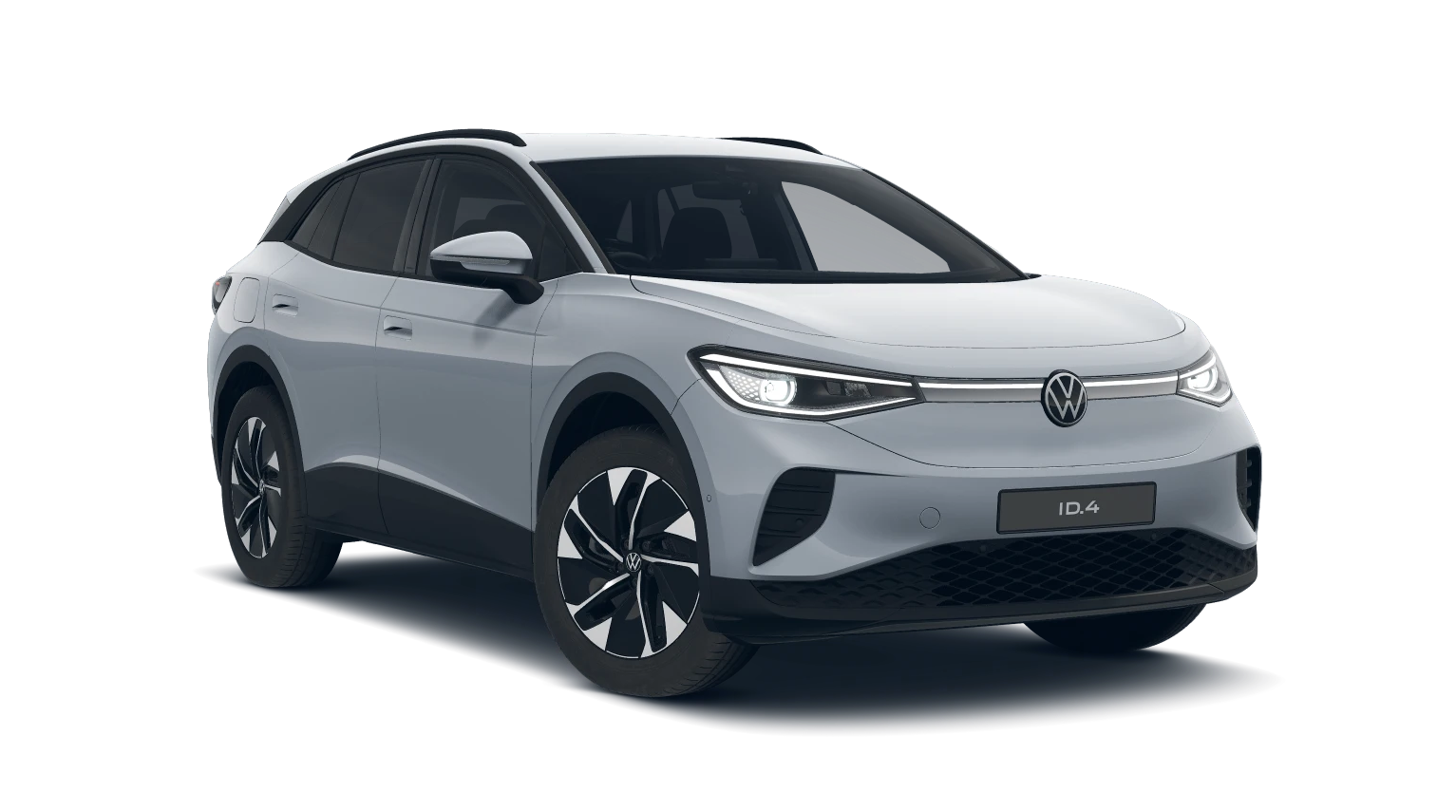
- WLTP Range: 360km – 570km
- Battery Size: 52kWh / 77kWh
- Power: 127kW – 254kW
- Acceleration: 6.2s – 9s
- Efficiency: 15.8 – 16.8 kWh/100km
- Boot Capacity: 543L
- Battery Warranty: 8 Years / 160,000km
Tesla Model 3
Price From: €38,990
The Model 3 sedan is the most popular of Tesla’s cars in Ireland for its long range, stylish look, and smart driving assistance tools that provide enhanced safety. Selecting your Tesla is simple with just three options: the Standard, Premium, and Performance models that let you prioritise range, speed, or affordability.
The Model 3 comes with both front and rear storage areas for increased capacity, while the assisted driving autopilot packages help with parking, lane detection, and vehicle detection.
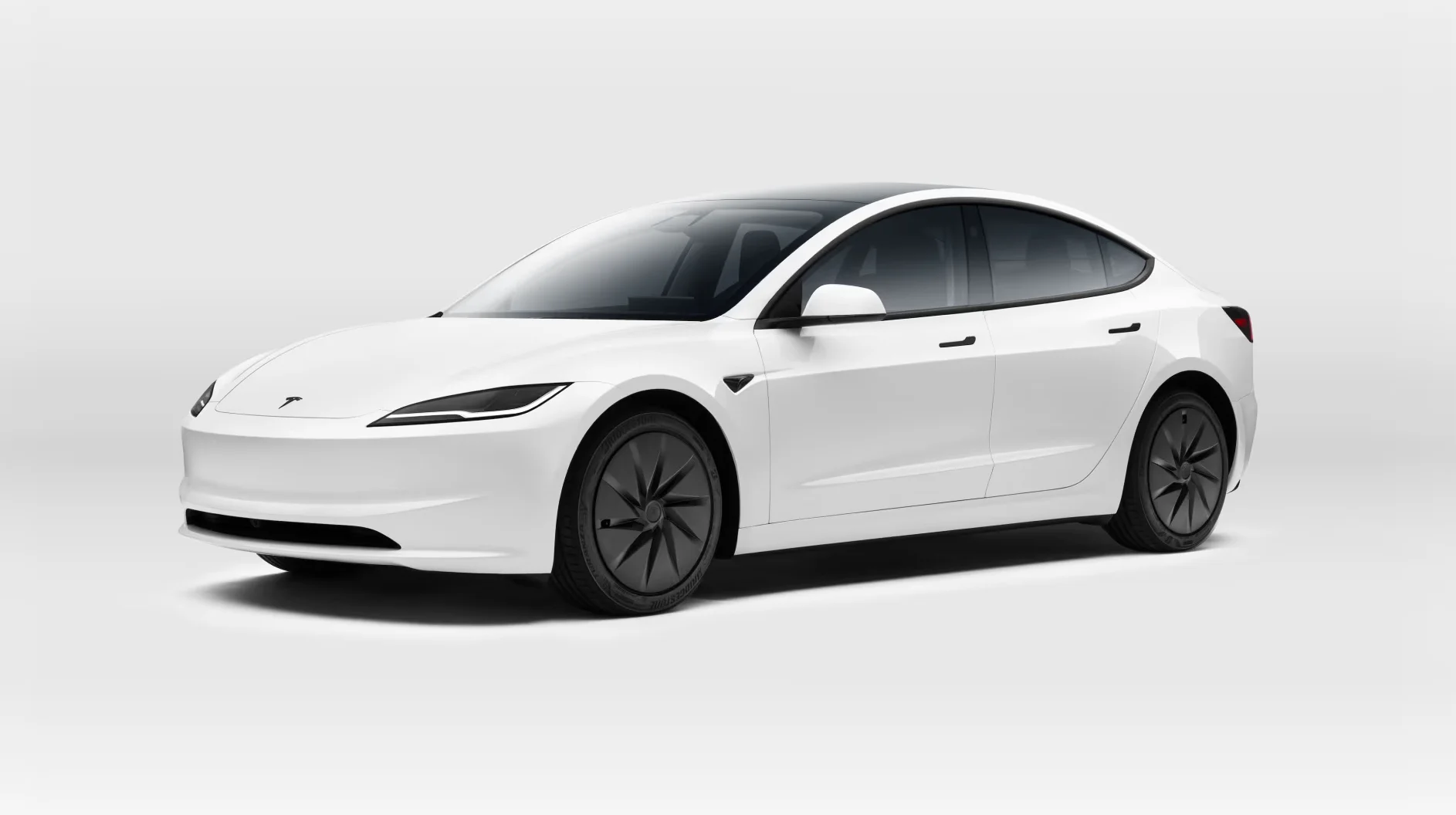
- WLTP Range: 534km – 750km
- Battery Size: 60kWh / 79kWh
- Power: 208kW – 366kW
- Acceleration: 6.2s – 3.1s
- Efficiency: 13.5 – 15.3kWh/100km
- Boot Capacity: 682L
- Battery Warranty: 8 Years / 160,000km
Kia EV3
Price From: €36,790
The EV3 crossover SUV has remained the most popular Kia electric car in Ireland despite stiff competition from the EV6. The EV3 won World Car of the Year 2025, showing its enduring popularity. EV owners can choose between two substantially different battery sizes, with an advertised range of over 600km on a single charge.
The EV3 is certainly a good looking vehicle, with a futuristic design that emphasises geometric lines on the outside. Inside, the interior emphasises both comfort and elegance. A single widescreen display provides a panoramic view of the dashboard and touchscreen controls for entertainment and navigation. Safety features include anti-collision and parking assistants for all aspects of driving.
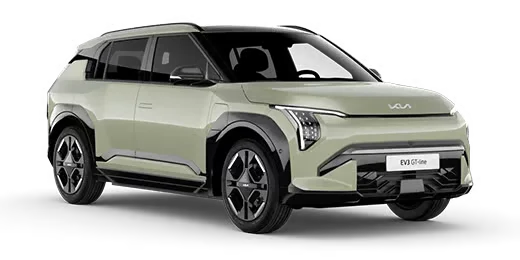
- WLTP Range: 436km – 605km
- Battery Size: 58.3kWh / 81.4kWh
- Power: 150kW
- Acceleration: 7.1s – 7.7s
- Efficiency: 14.9kWh/100km
- Boot Capacity: 485L
- Battery Warranty: 7 Years / 150,000km
Hyundai Inster
Price From: €19,595
The new Hyundai Inster has shot to prominence since coming onto the market in 2025, taking home multiple awards, including World Electric Car of the Year. A huge attraction of the Inster is its affordability, with a starting price below €20,000.
That affordability comes with a trade-off, as the Inster has a smaller battery size and less range than many EVs in its class. The boot is on the smaller side, but it can expand by putting down the back seats. Despite being a budget car, the Inster comes with a well laid out digital dashboard and central touchscreen control panel.
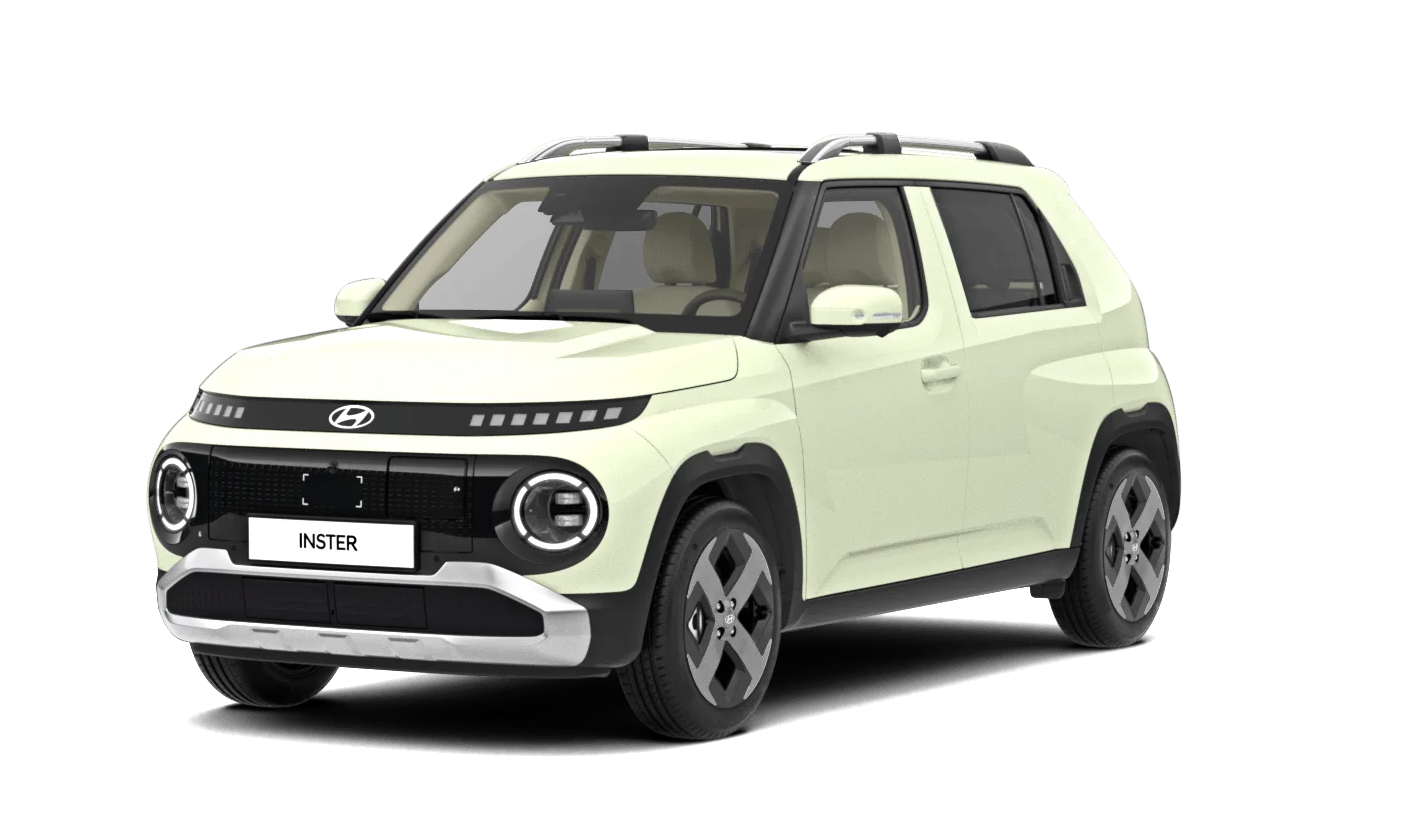
- WLTP Range: 327km – 370km
- Battery Size: 42kWh / 49kWh
- Power: 71.1kW / 84.5kW
- Acceleration: 10.6s / 11.7s
- Efficiency: 15.3kWh/100km
- Boot Capacity: 238L – 351L
- Battery Warranty: 8 Years / 160,000km
Skoda Enyaq
Price From: €43,790
The Skoda Enyaq remains a comfortable and much loved family crossover SUV updated for 2026, despite being more expensive than other vehicles in its class. The Enyaq features plentiful boot space and a range of configuration options between its Standard, Sportline, and RS models.
The interior of the Enyaq has a stylish, modern trim, with a digital dashboard and an array of smart controls. Front, rear, and side sensors provide additional safety for parking and collision detection.
- WLTP Range: 535km – 573km
- Battery Size: 59kWh / 77kWh
- Power: 150kW – 250kW
- Acceleration 0-100km/h: 5.4s – 8.1s
- Efficiency: 15.2 – 17.2kWh/100km
- Boot Capacity: 585L
- Battery Warranty: 8 Years / 160,000km
How Electric Vehicle Costs Compare to Petrol & Diesel
Electric cars can be far cheaper to drive than petrol or diesel equivalents, depending on how you charge them. Home charging is by far the best way to get your value for money from an EV, with far lower prices per kWh of electricity compared to public charging options.
What to Know About Electric Vehicle Charging Options in Ireland
There are three main ways in which people who own an electric car can charge their EV in Ireland: at home, using public chargers, or commercial workplace charging.
Home EV Charging
Home EV charging involves having a dedicated Level 2 charger installed in a garage or on the outside of your home. This allows you to charge your car using the domestic power supply.
Read more in our guide to Home EV Chargers.
Pros
- The lowest prices for charging
- No risk of the charger being unavailable
- No need to travel to find a charger
Cons
- Rapid/High power charging isn’t possible
- Not an option without a driveway
- Requires upfront purchase cost
Public EV Charging
Public charging stations are operated either by local governments or private companies in places such as car parks and filling stations. They charge per kWh and come in a variety of charging speeds.
Read more in our guide to Public EV Charging.
Pros
- Can have very fast charging speeds
- Helpful when making long journeys
Cons
- Chargers may not always be available
- More expensive than home charging
- Can require travel to reach a charging station
Commercial Charging
Commercial chargers are usually located at workplaces or businesses specifically for customers and employees.
Read more in our guide to Commercial EV Charging
Pros
- Makes it easy to charge your EV at work
- Free charging may be available for employees
- Convenient option for business customers
Cons
- Not typically available for general use
- Businesses may only have a limited number of chargers
Frequently Asked Questions about Electric Vehicles
It depends. If you have a home EV charger, it is much cheaper to run an electric car than a petrol or diesel car. If you rely primarily on public charging stations, then the price is mostly the same.
A new electric car battery should retain at least 70% of its original capacity after 8 – 10 years or 160,000km – 200,000km.
No, the grant for electric cars is only available if you are buying a new battery electric vehicle.
If you can install a home charger, then it is far better value in the long run to buy a full battery electric car rather than a hybrid car.
The best electric car for you will depend on your specific needs in terms of space, range, and budget. The most popular electric car in Ireland by a significant margin is the Volkswagen ID.4.
