

Table of Contents
- 1
- 2
- 3
- 4
- 5
Comparing EV Chargers
If you’re thinking about making the switch to an electric car, then getting a home EV charger along with it is a no-brainer. However, there are many different home charging options on the market.
Here, we look at some of the most important things to consider when choosing between different types of chargers.
Types of EV Chargers
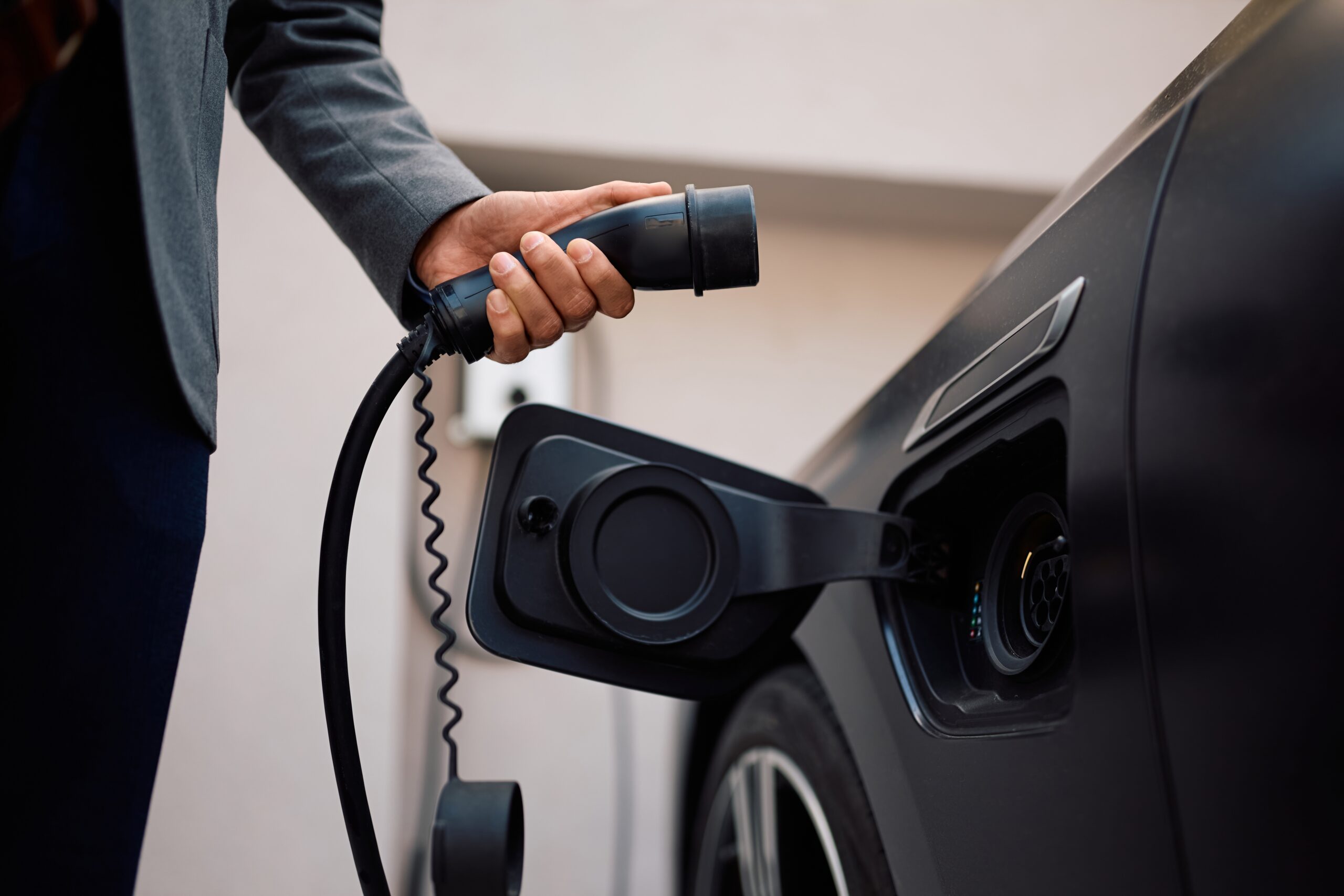
There are three main levels of chargers for electric vehicles: Level 1 (slow), Level 2 (fast), and Level 3 (rapid/high-power). The common model of home EV chargers falls into the category of Level 2 chargers.
A slow charger is a charging cable that is designed to plug into a standard household power outlet. Also called a three-pin charger, or sometimes a granny charger due to their slow charging speed.
In practical terms, a slow charger won’t be able to do more than 2.3kW for home charging, since there is a limit on how much power they can draw from a power outlet.
A fast charger is the model you see for a home EV charger. This is a dedicated charging unit wired into your home’s electrical system.
Most home EV chargers can only deliver up to 7.4kW since they are limited by the single phase power supply.
With a three phase power supply of 400V or more, businesses and some homes can get chargers of up to 22kW in strength.
Rapid chargers deliver DC power at far higher speeds than are possible with chargers using AC. These are only found in businesses and public charging stations since they require a greater power supply.
Our Home EV Chargers
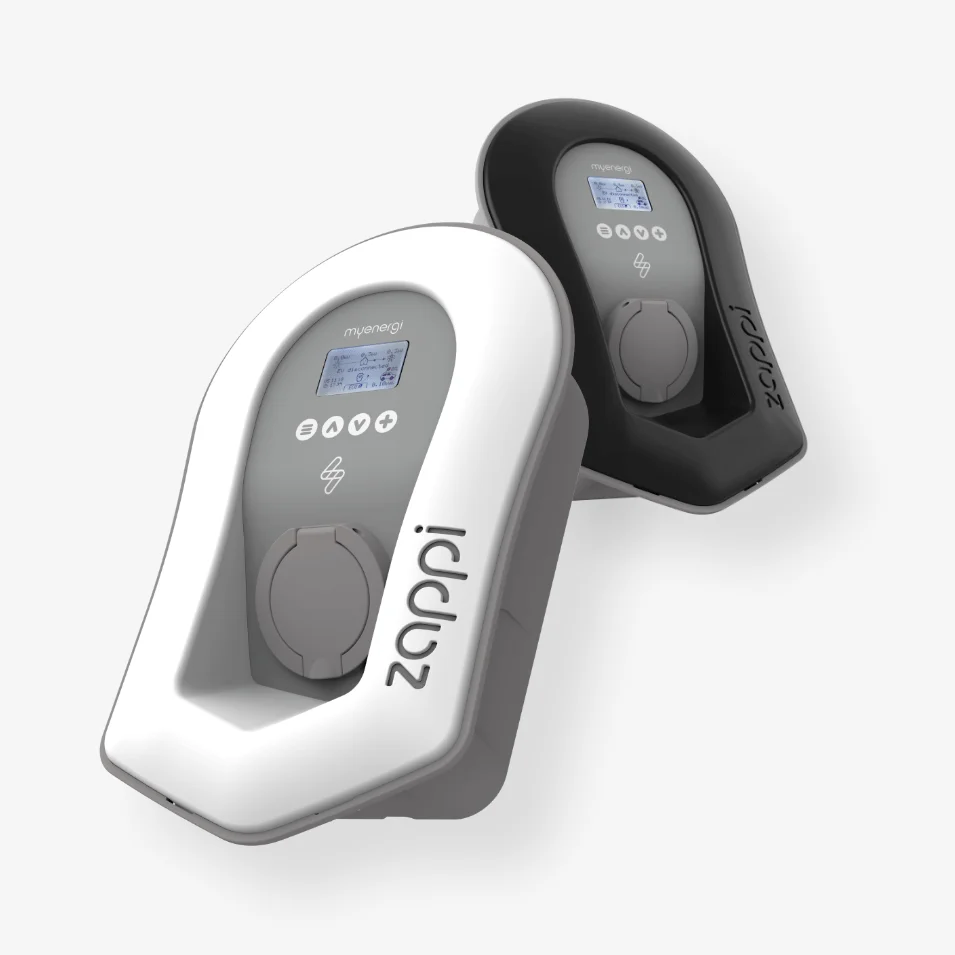
Myenergi
Origin: United Kingdom
Home Chargers: Zappi, Zappi GLO
Charging Speed: 7.4kW – 22kW
Warranty: 3 Years
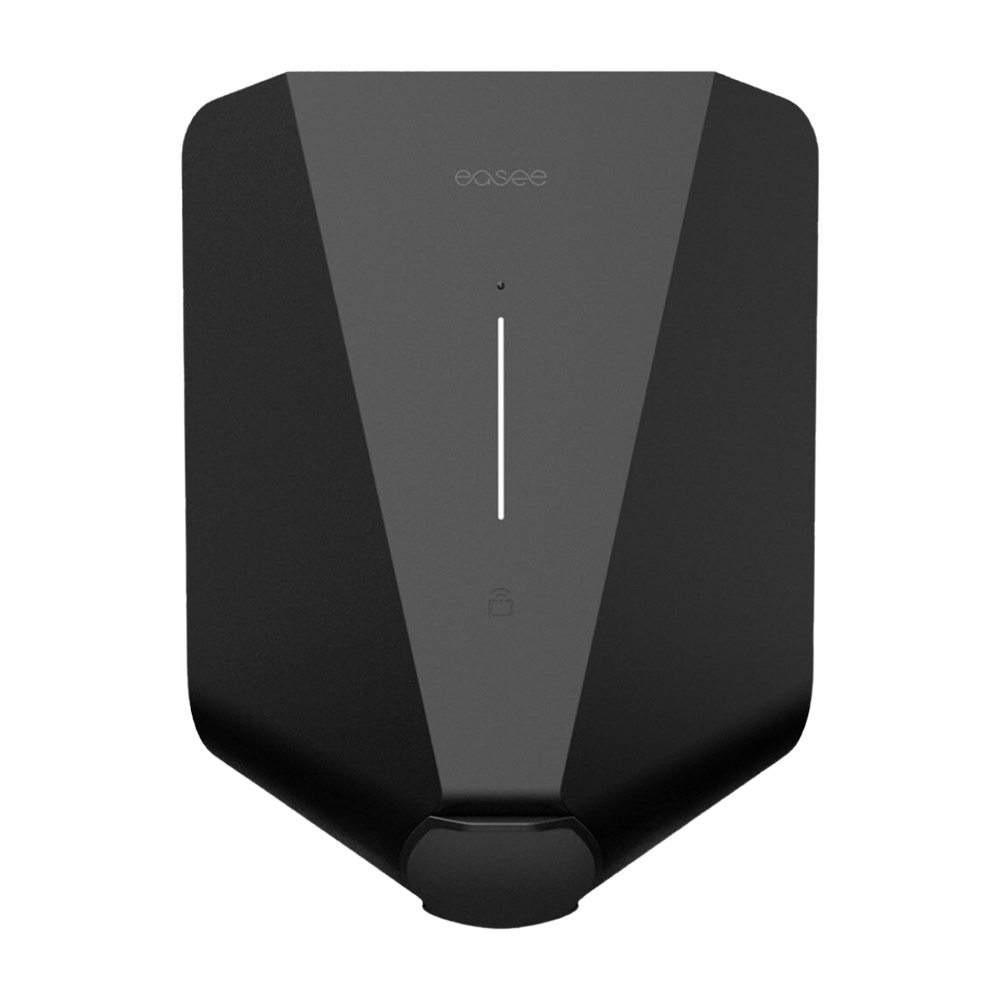
Easee
Origin: Norway
Home Chargers: One, Max
Charging Speed: 7.4kW – 22kW
Warranty: 3 Years & 5 Years
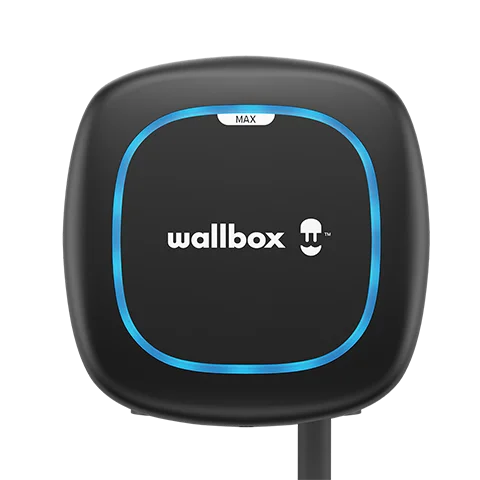
Wallbox
Origin: Spain
Home Chargers: Pulsar, Quasar
Charging Speed: 7.4kW – 22kW
Warranty: 3 Years & 5 Years
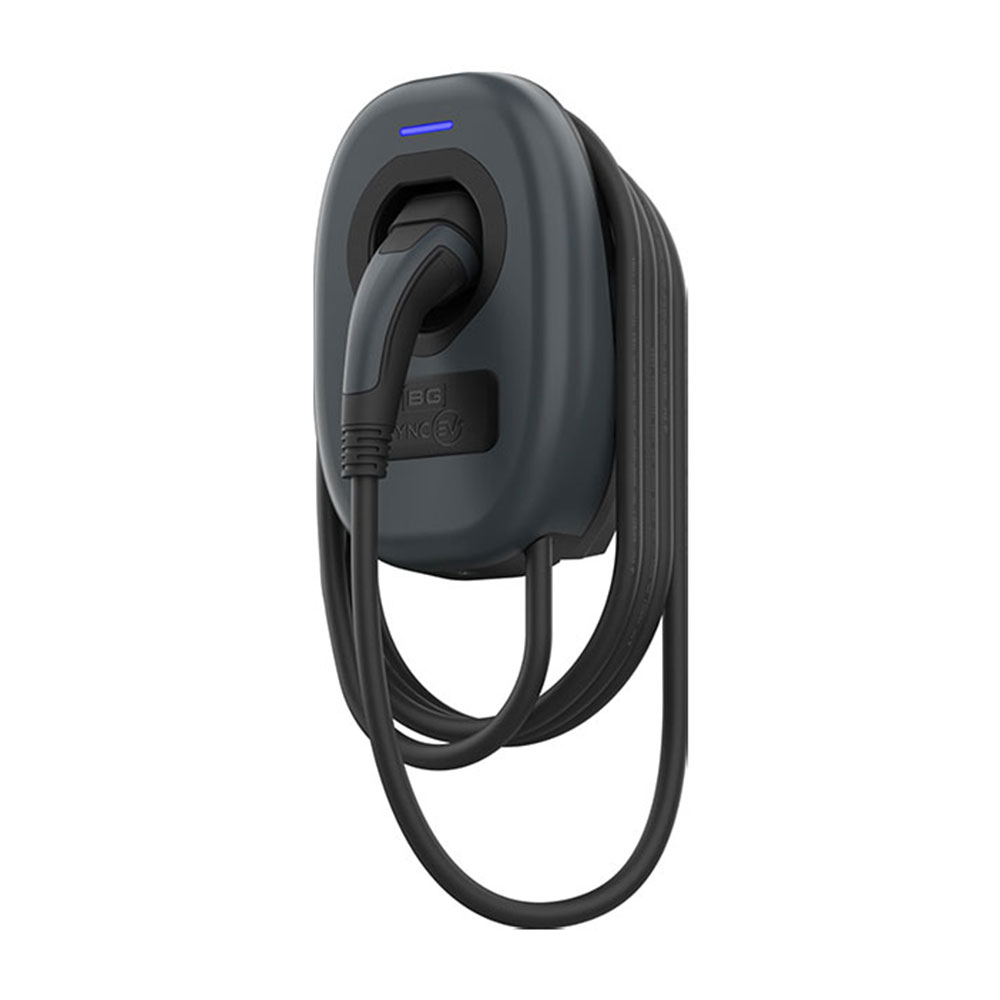
Sync Energy
Origin: United Kingdom
Home Chargers: Link Charger, Wall Charger 2
Charging Speed: 7.4kW
Warranty: 3 Years
Important EV Charger Characteristics
Here are some of the most important technical traits to look at when choosing your own EV charger.
A Level 2 charger has a charging speed of between 7kW and 22kW. You might be tempted to go for the higher end of the scale, but don’t rush in. Other factors govern the viability and value of a home AC charger.
Your Home Power Supply: Chargers above 7.4kW in strength typically require a three-phase power supply. Most homes have a single-phase supply and can’t support 11kW or 22kW charging.
Your Electric Car AC Limit: Electric vehicles also have their own limit to how much they will accept in AC charging. Many vehicles are unable to charge at 22kW using an AC charger.
Charging Requirements: If you have an electric vehicle that is only driven irregularly then a 7.4kW charger is enough for overnight charging.
It goes without saying that more powerful chargers, with a greater variety of smart features, will cost more than. Consider how much you are willing to pay for a home EV charger, and if the more expensive model is necessary.
Charging an electric vehicle with the help of home solar power can make it even more affordable and environmentally friendly. If you have solar panels or are thinking about getting them installed, then research what chargers are ready for solar powered charging.
An EV charger for your home may be controlled through either buttons and a display screen on the charger itself, or through an app.
All EV chargers have some sort of app that will allow you to monitor and control them. which can come with different levels of utility. You should try out multiple different apps to see which one works best for you.
Some chargers may also come with a built in screen and manual controls for people who don’t like using an app.
Being able to schedule charging sessions rather than relying on plug-and-charge is essential for getting the best value for home charging. Ensure that your charger allows a vehicle to be plugged in, but not charging until a specific time. This allows you to take advantage of lower electricity prices.
Among the many safety features on a smart EV charger, load balancing is probably the most useful to have. Dynamic load balancing has your charger constantly monitor the amount of electricity being used in your home at any given time.
If that power spikes, then the charger will automatically reduce its charging speed. This also reduces the amount of power the charger is drawing on. Load balancing is a safety feature meant to make sure that your charger doesn’t overload the electrical panel.
Without load balancing you might have to invest in a new, upgraded electrical panel to get a home EV charger.
A home EV charger will either come with a cable built into the charger (tethered) or a socket where you can attach a charging cable (untethered).
It’s a matter of personal preference if you prefer to always have the charging cable ready or to have a smaller, neater charger with a cable stored separately.
Before buying an EV charger, you should check to make sure that it is on the list of grant-eligible equipment.
The SEAI offers a €300 grant towards the cost of a home charger. However, the product must be on the Triple E Register to qualify for the grant.
An EV charger is likely going to be spending a lot of time exposed to the elements if attached to the outside of your home. The Ingress Protection (IP) Rating is a key indicator of how protected your charger is from water damage and things getting inside.
You should aim for a standard warranty of three years at least for your charger. Some warranties may extend to five years if you register a product or buy additional protection.
It’s also important to look at exactly what your warranty covers, as there may be specific conditions included about the type of damage it covers, and what repairs or replacements are offered.
How to Choose the Right Charger for You
Picking the right EV charger is about finding one that meets your needs and desires. Technical factors such as size, charging speed, and price are important when selecting a charger.
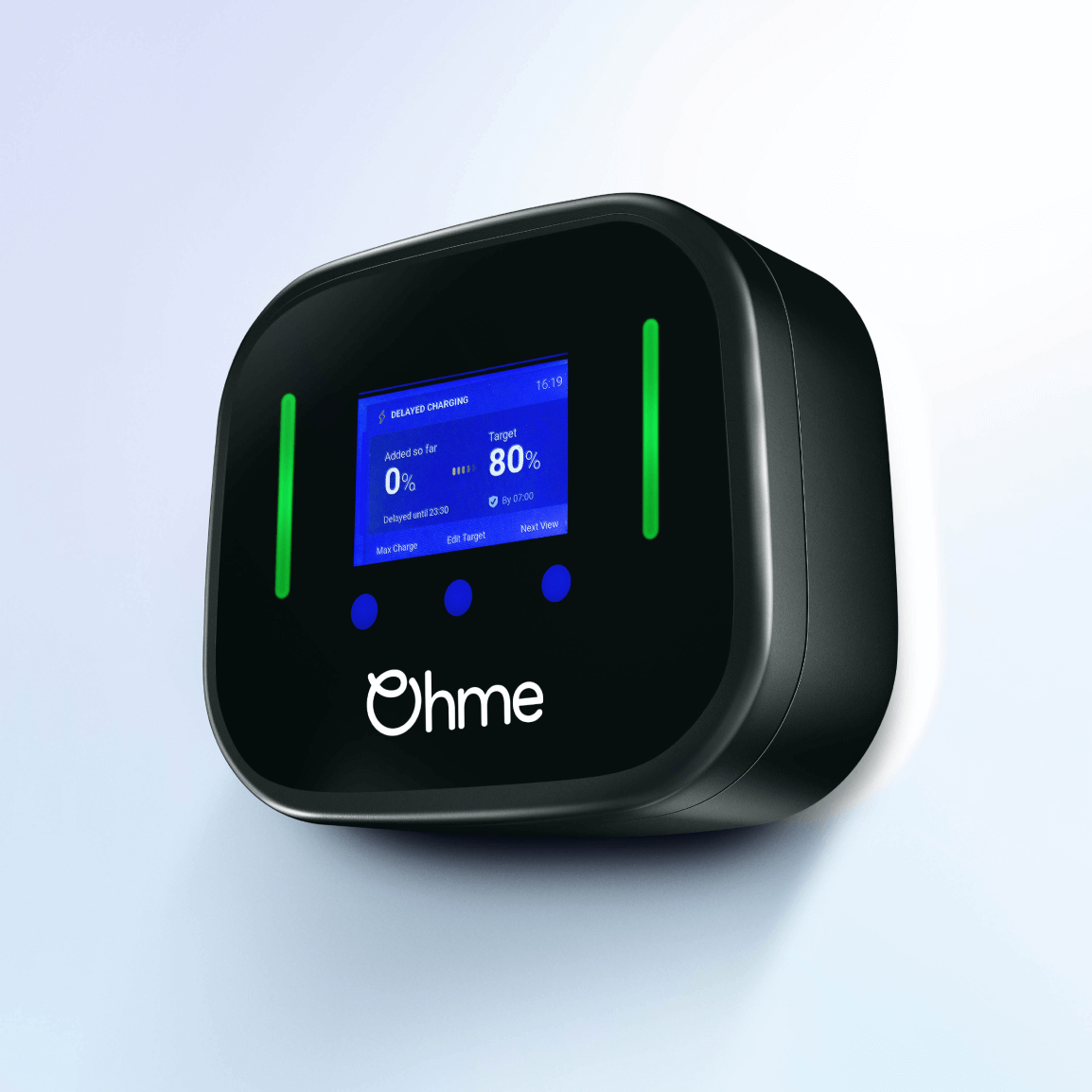
Best Tariff Optimisation: Ohme Home Pro
Ohme’s chargers make it as simple as possible to get the lowest prices for home charging. The Ohme app lets users input their electricity tariffs, and then it automatically schedules charging sessions for when the best rates are available.
This is available for both the Home Pro and ePod chargers by Ohme. The Home Pro edges out the ePod with its built-in controls and the additional option of a tethered cable.
Best for Solar Compatibility: Myenergi Zappi
While the majority of home EV chargers are technically able to integrate with solar panels, the Zappi has always stood out for going so with ease and seamlessness. If you have solar panels on your home, the Zappi has a very simple set up process through the Myenergi app.
The charger also offers two different charging options, Eco and Eco+, that vary in how much they rely on solar and/or grid energy.
Many solar panel installers also have offers to install a Zappi at the same time, and may offer a discounted price if you get it as part of a bundle.
Best for Compact Design: Wallbox Pulsar Max
The Pulsar Max from Wallbox is a compact yet powerful charger, forgoing any screen or buttons in favour of being totally controlled via app.
Users can select between two options: the extremely compact tethered charging unit, which also has a handy cable management system, or there is the slightly larger socketed option. Both options come with the same level of smart features and still have a compact design.
Simplest Installation: Easee One
The Easee One has a very simple design that makes installation and maintenance very straightforward. The backplate is fixed to a wall, where the wiring is connected. Once that is done, the charging unit just clicks into place.
The cover of the charger also comes on and off easily. This makes it simple for an electrician to access the charger for any repairs. You can also swap out different colour covers for a bit of variety.
Frequently Asked Questions
Yes, all EV chargers should have an ingress protection rating (IP Rating) sufficient to protect them from rain.
Yes, if you have a three-phase power supply, you can get a charger with up to 22kW speeds at home.
Yes, if you want to run an electric car as cheaply as possible, then home charging is the best option.
