Maximise AC charging speeds
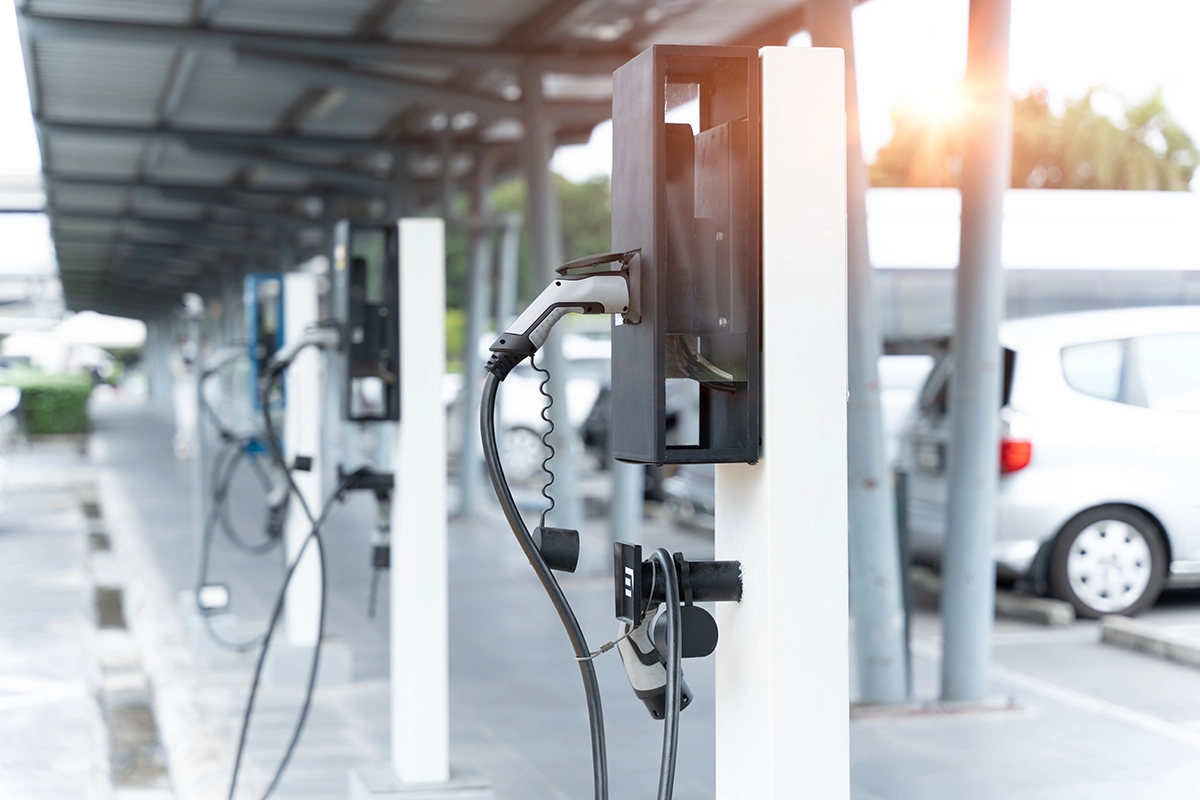
A 22kW charger is often all that is needed for employee use, fleet charging, or even commercial and public charging stations.
One hour of charging at 22kW speeds can add more than 130km of range to an electric car. Even just a 30 min top up will give you an additional 60km – 70km.
Electric cars that can accept 22kW charging speeds are able to fully charge within 4 hours. In the case of people topping up on a regular basis, 2 hours of charging will add 44kWh of capacity.
Get a Free EV Charger Quote
Get a Free EV Charger Quote
Get a free personalised installation quote for an EV charger on your home
No Obligation
- SEAI Approved Installers
Less expensive than high power chargers
22kW EV chargers are only slightly more expensive than 7kW chargers, and cost far less than high-power DC chargers.
A 22kW charger will cost €100 – €200 more for the unit itself, and the installation work is the same.
You are more likely to pay towards the upper end of the €600 – €1,300 estimate range for a home charger with the help of the €300 grant.
Ready to go for businesses
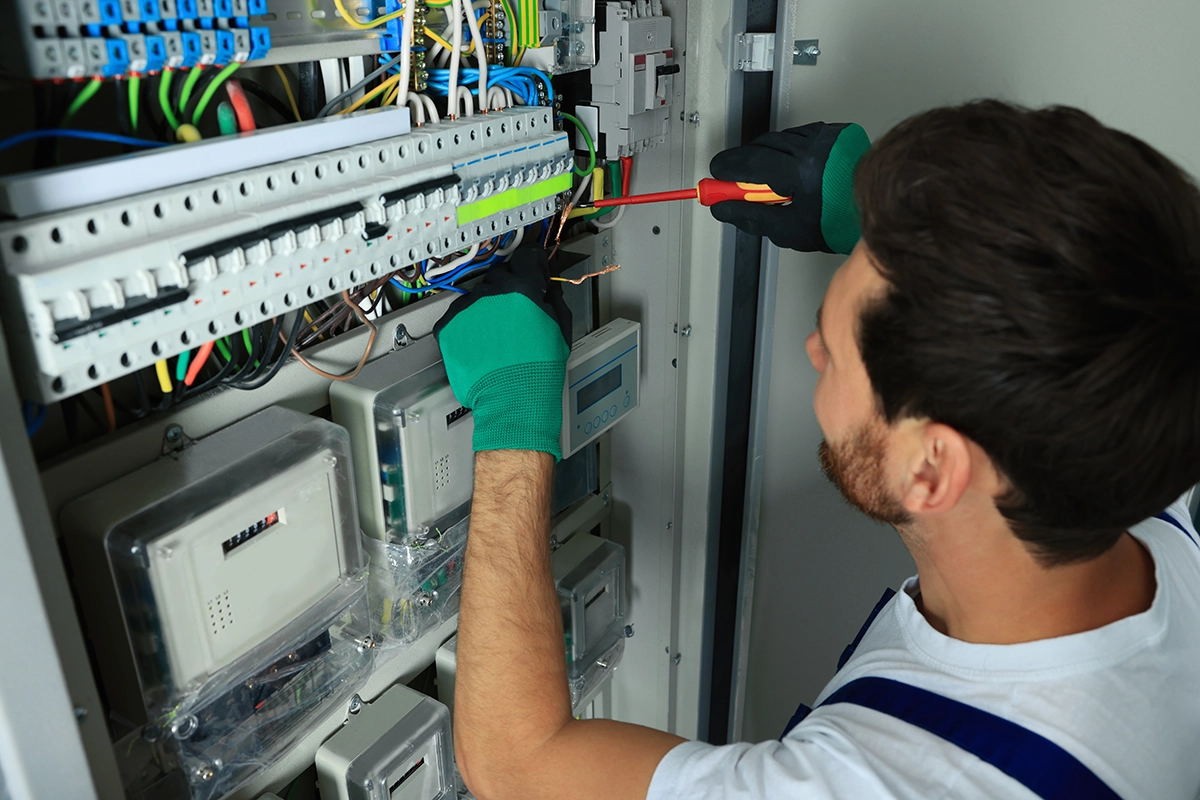
A 22kW EV charger installation requires a three-phase power supply, making it an ideal choice for businesses that want to provide EV charging for customers or employees.
These also do not need the electrical upgrades required for high-power DC chargers that provide 50kW+ charging speeds.
Important features for fast chargers

Automatic Phase Shifting
Many 22kW chargers can adapt to either a single or three phase electricity supply, with charging speeds of 7kW – 22kW depending on the power available.

Metering & Billing Integration
Chargers installed for commercial use need to be able to both meter electricity usage and integrate payment options for billing purposes.

Dynamic Load Balancing
Being able to adjust power usage dynamically based on the demand at the time is essential when multiple fast chargers are connected to the same network.

RFID Access
Chargers for employee or apartment use need to ensure only authorised users are able to charge from them.

OCPP Compliance
Open Charge Point Protocols ensure that chargers can connect with different commercial backend software to manage multiple units.
Future-proof your charging needs
Getting a 22kW charger now might seem excessive, but it could future-proof your home charging setup with little extra cost.
- Upgrade to three-phase electricity at a later date.
- Be ready for cars accepting 22kW AC charging.
- Avail of lower charging speeds in the present.
Other EV charger options
For people getting a home charger, 7kW chargers are generally the best option for overnight charging. They are also the only charger type that can be installed in all homes without expensive three phase electricity.
FAQs
Yes, if you want to get the fastest charging speeds it will require a charging cable rated for 22kW output. You can safely use another cable with your charger, but it will be limited to the power that cable is rated to carry.
No, a 22kW charger has no damaging effect on the battery of an electric car. Charging with 7 – 22kW AC is actually better for the long term degradation of your battery than very regularly using ultra-rapid charging.
Some Irish homes can support 22kW chargers but only with a suitable three-phase electricity supply and enough available capacity. The vast majority of Irish homes will need electrical upgrades before getting a 22kW charger.
Reduce your driving costs by over 60% with a home EV charger
Take our 30-second assessment and start saving on the cost of driving today.