Written by: Briain Kelly, Editor
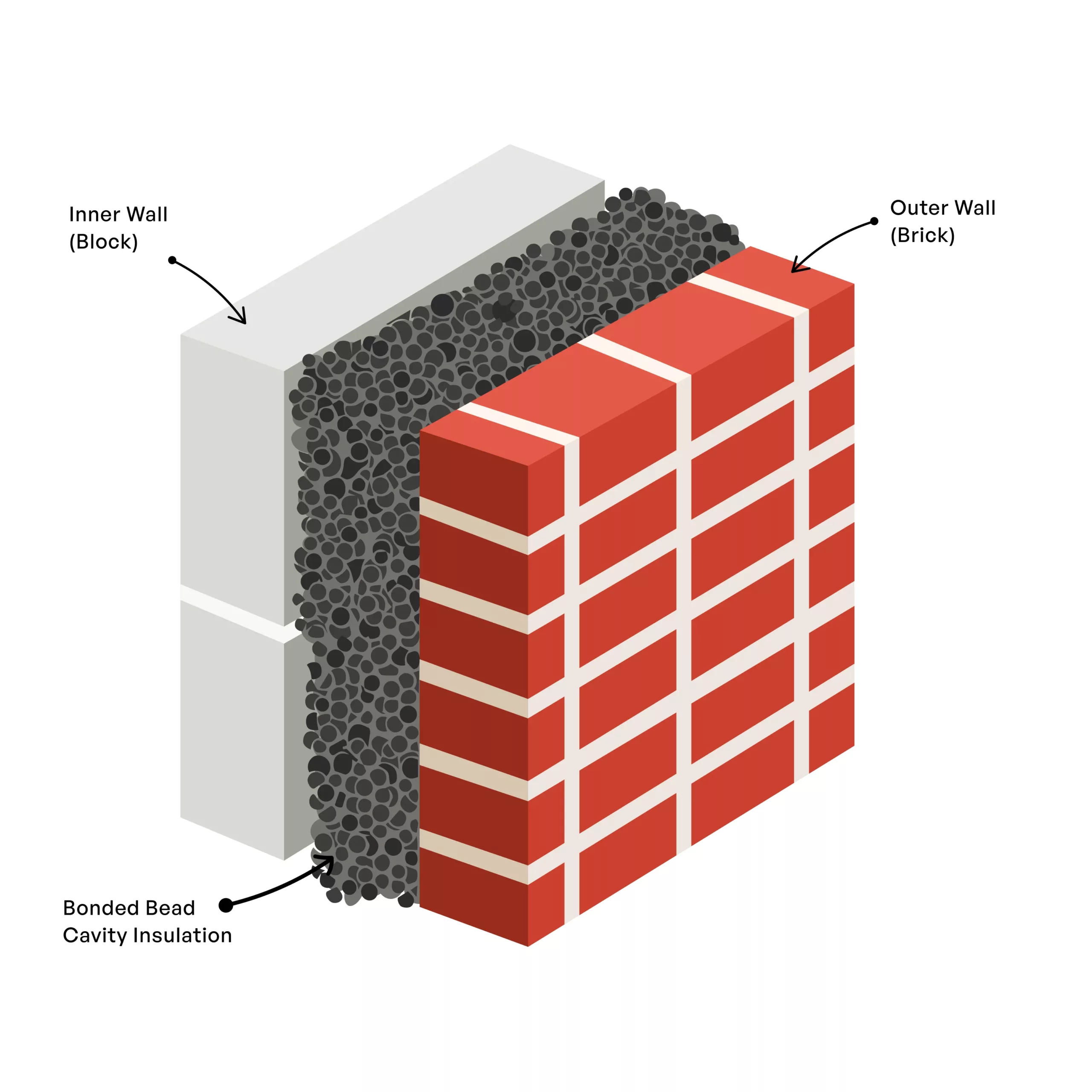
Cavity Wall Insulation involves pumping an insulation material into the cavity space between the inner and outer walls of a masonry building in order to reduce heat loss through the empty space.
This can save you hundreds of euro on heating bills each year, as up to 30% of a home’s heat is lost through its walls without proper insulation.
What is a Cavity Wall?
A Cavity wall refers to a wall that has both an inner and outer wall, with an empty space or ‘cavity’ in between them. The vast majority of homes in Ireland have cavity walls. However, not all of them are suitable for cavity wall insulation.
The cavity space is meant to provide a place for water to drain from the base of the wall. It also creates a slow-moving air gap between the walls to reduce heat loss. However, this air gap is not as good as proper insulation.
How To Tell if You Have a Cavity Wall
If you have brickwork walls, there are a number of things that can help you to tell if it is a cavity or a solid wall.
Brick Pattern: If you have an exposed brick wall home, then the pattern should inform you. If all of the bricks are laid lengthwise without interruption, it is likely a cavity wall. Solid walls typically have ‘header’ bricks interrupting the pattern. These are at right angles across the two layers of bricks in a solid wall.
Wall Thickness: A cavity wall will typically have a thickness of 260mm and 350mm, while solid walls are thinner without the cavity space.
Property Age: If your home was built after the 1940s, then it most likely has a cavity wall rather than a solid one.
These factors should only be considered guidelines. If you are uncertain about your wall, or if it is covered in a render, then it is best to get professional advice. Stone walls are most likely solid at any thickness.
How much does cavity wall insulation cost?
Cavity wall insulation is definitely the most affordable way to add wall insulation, with costs far below internal or external systems. In most cases, the price for retrofitting a home with cavity wall insulation will be between €900 and €2,500. For the average semi-detached house, it will cost approximately €1,500 to get cavity insulation.
Source: SEAI data on costs submitted for Better Energy Homes scheme from Jan – June 2025
These prices are all before taking into account the SEAI grant, which is available for the vast majority of homeowners getting new insulation.
Cavity Wall Insulation Ireland Grants (2026)
The SEAI offers grants for homeowners seeking to install cavity wall insulation to help them with the cost. The value of the grant is dependent on the type of property you have. If you are applying for this grant on its own, it is available for any property built and occupied before 2011.
Read more in our guide to Home Insulation Grants.
Factors Affecting the Cost of Cavity Insulation
Insulation Type: Some insulation materials are more expensive than others. Expanding foam systems, for instance, will cost more than bonded bead or mineral wool insulation.
Property Size: The larger your home is, the more work will be needed to provide comprehensive insulation to the walls.
Cavity Width: The wider the cavity space in your walls, the more insulation will be required to fill it up.
Labour Costs: The cost of labour will vary between different installers. Get multiple itemised quotes to understand these costs.
Accessibility: If there are any difficulties accessing all of the walls in your property, such as needing scaffolding, it will take longer and cost more.
Types of Cavity Wall Insulation
There are multiple materials that can be used to insulate a cavity wall. The majority of these are pumped or blown into the cavity of an existing building. However, some materials can also be used for cavity insulation with new builds. These larger insulation blocks are not suitable for home retrofitting.
The material that will work best for you will depend on your wall, desired thermal performance, and budget.
Bonded Bead insulation consists of small polystyrene beads, which are mixed with a liquid glue before being pumped into the cavity space. The beads will be pushed to fill the entire cavity area before the glue dries, causing the entire mass to harden.
- Used In: Retrofits
Polyurethane spray foam is also increasingly being used for wall insulation for its strong thermal performance and ability reach into all spaces in a wall cavity as it expands. Open cell foam is used for household insulation since it is moisture-permeable, while also creating an airtight seal. However, it must be applied carefully to avoid causing structural damage.
- Used In: Retrofits
Made from glass or stone melted and spun into fibres, mineral wool insulation can either come as loose material or denser rolls and batts. Loose mineral wool insulation can be blown into the cavity of a wall from outside. Batts of mineral wool can only be placed into the cavity while the wall is being built unless you take down either the inner or outer wall.
- Used In: Retrofits & New Builds
Boards of solid PIR, XPS, or EPS insulation can be placed into wall cavities. These have the advantage of delivering a high r-value with relatively thin boards. However, their nature means that they cannot be used for existing homes unless the wall is opened up.
- Used In: New Builds
Cavity Wall Insulation Benefits
A Warmer Home
Stopping heat through your walls will make it easier to heat your home and have it stay warm for longer with less effort.
Lower Bills
Reducing the amount of heating your home needs will also substantially reduce your energy bills for oil, gas, or electricity.
Reduced Draughts
With the cavity space filled in, it is harder for cold air to get into your home through holes for pipes and wiring, cracks in the blockwork, or around joists.
Less Condensation
Keeping the interior surface of your exterior walls warm reduces the risk of condensation and damp inside your home.
Improved Property Value
Adding insulation to your home is a sure fire way to increase its BER and property value at the same time.
Less Outside Noise
Along with greater comfort, cavity wall insulation can also provide acoustic insulation, reducing outside noise.
How Cavity Wall Insulation is Installed
Before starting work, the wall will need to be inspected for any damage caused by damp, failed pointing, or masonry damage that needs to be repaired.
Apply plastic sleeves between external air vents and internal grilles to prevent them from being blocked off by the insulation.
In the case of a house with shared walls (terraced, semi-detached), cavity barriers need to be installed to keep the insulation to your property line and allow it to fill the height of the wall without spilling.
Holes are drilled in the exterior surface of the wall to allow the insulation to be pumped or blown in. The size of the holes and spacing will be determined by the insulation type and your property specifications.
Your polystyrene bead, spray foam, or mineral wool insulation is pumped or blown into the cavity space until it is completely filled.
The holes drilled into the wall are refilled with mortar or render that blends in with the colour of the existing material.
Once the insulation has settled and or dried, the wall can be inspected using thermal imaging to reveal any gaps in the insulation that need to be filled.
Is my home suitable for cavity wall insulation?
The vast majority of homes with cavity walls will be suitable for insulation. However, there are some factors that might make it less than ideal.
If the cavity space in your wall is too narrow, less than 50mm, it can make it difficult for the insulation to spread out and fill the space without getting caught. This can result in empty spaces acting as thermal bridges.
With a very narrow cavity, you might also not get a huge amount of benefit even if the insulation is applied evenly.
If your home has a timber or steel frame, then the cavity should be left unfilled to preserve the air flow. These buildings need that airflow to prevent condensation from causing the frame to corrode or rot over time.
If you live in an area with frequent driving rain, the weather can push moisture through the external wall surface. When that happens, you need the cavity space to allow the moisture to drain out of the wall. Cavity insulation may act as a moisture bridge, allowing water to travel to the interior and cause damp issues.
Is cavity wall insulation worth it?
If your walls are suitable for cavity insulation, then it can be the quickest, most affordable, and least intrusive option for wall insulation.
Insulation Price: It is a fraction of the cost of external or internal insulation systems.
Home Appearance: The external appearance of your home is not altered, and you don’t lose any internal space.
Convenience: The work is done quickly and won’t impact you since it all takes place on the outside of the building.
Other Types of Wall Insulation
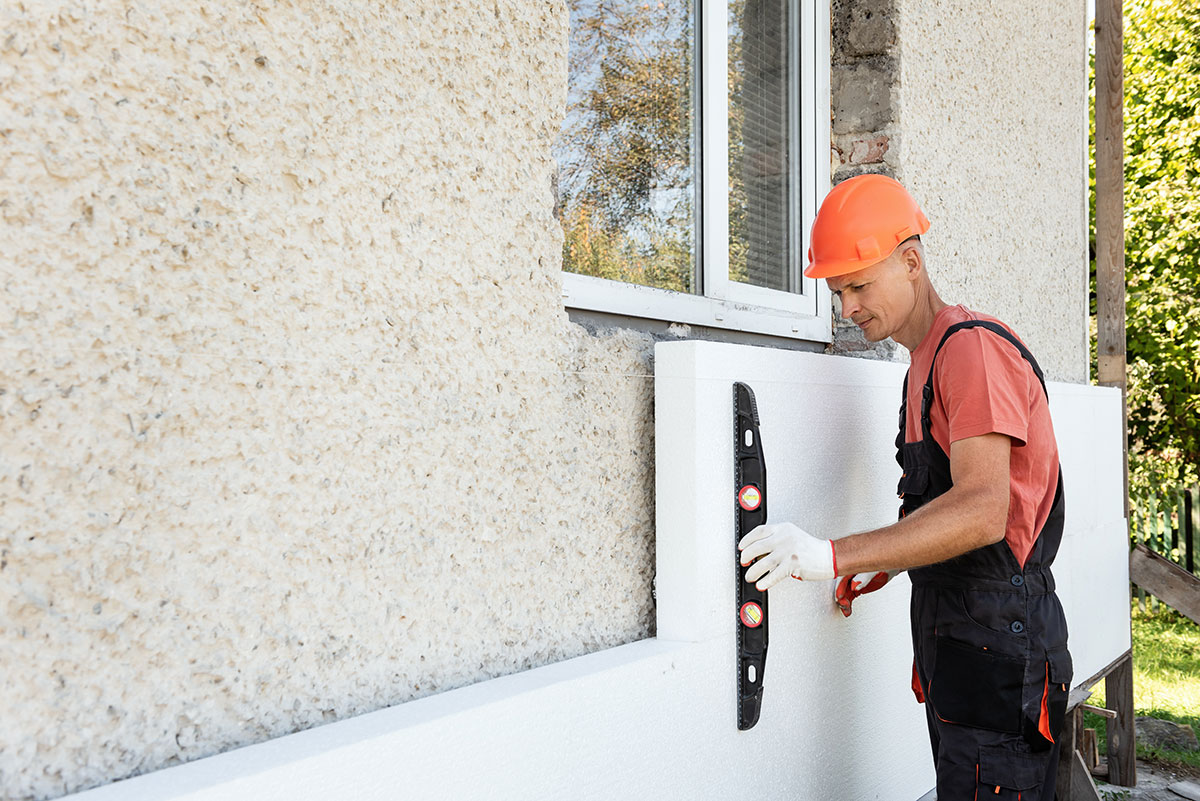
Understand the costs, benefits, and installation process for external wall insulation on your home.
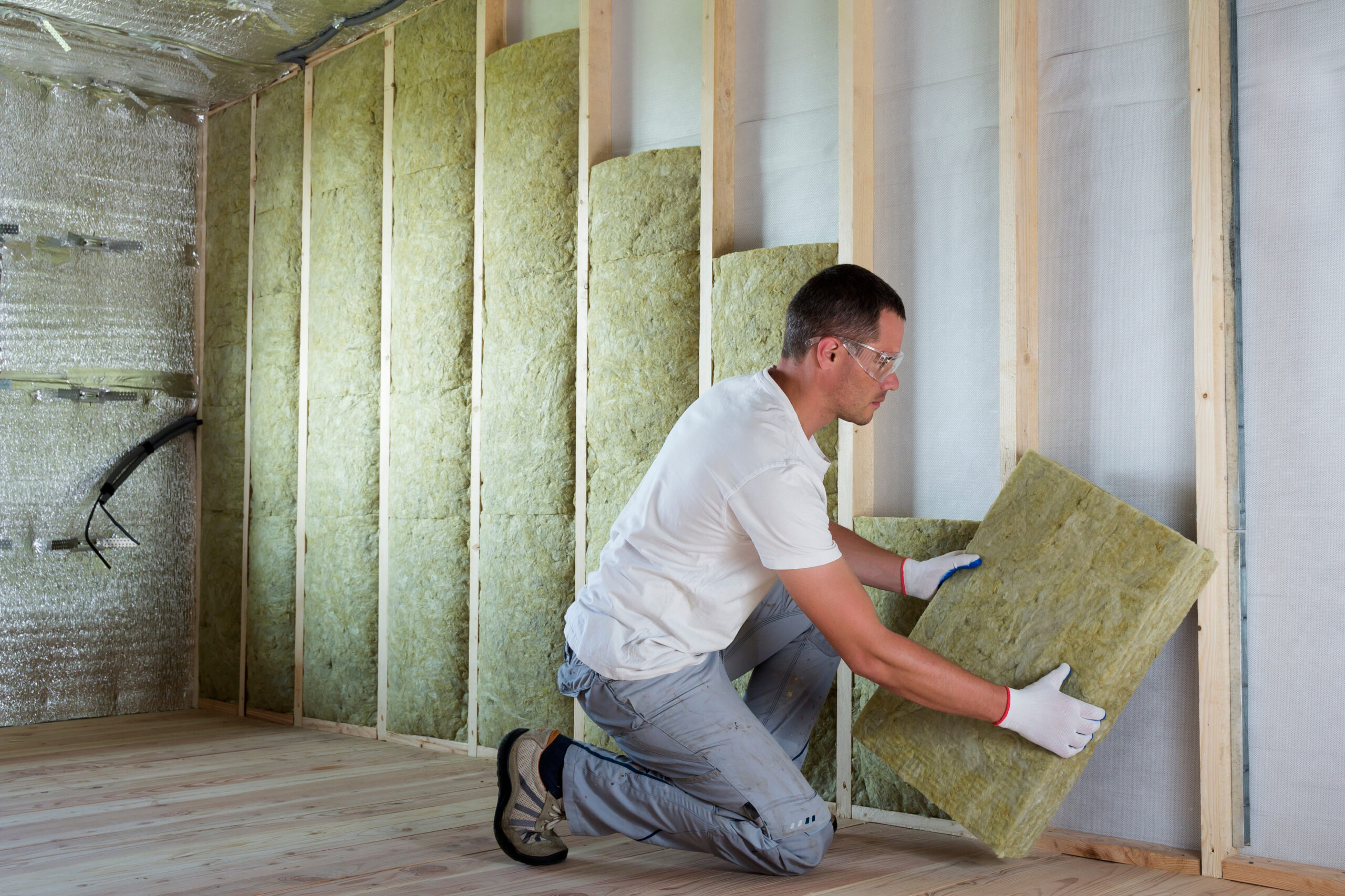
Read about the costs, benefits, materials, and installation details in our guide to internal insulation.
Cavity Wall Insulation FAQs
No, if you are getting cavity wall insulation, this needs to be done by a professional with the right pumping equipment. Professional installers can determine the right coverage of pumping locations to fill the wall without overfilling it.
Yes, you should get your walls surveyed before contracting someone for cavity wall insulation. This can tell you if your walls and home are suitable, or if there are issues that might only be revealed on the day.
No, you will not need to get planning permission for cavity wall insulation since it doesn’t affect the material structure or appearance of the building.
If your home is well maintained and the insulation is not exposed to the elements, then most cavity wall insulation materials should be able to last 50 years or more. Moisture exposure can seriously reduce its expected lifespan, however.