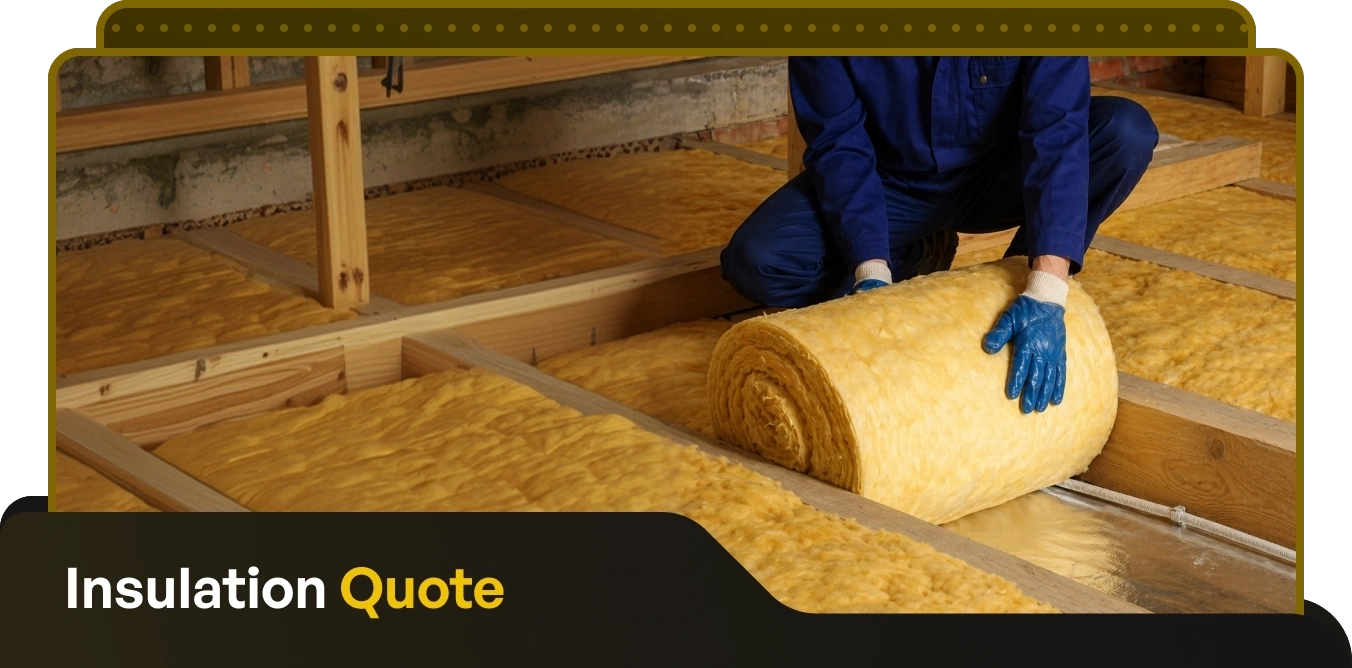
Despite Ireland having a relatively young housing stock, more than a third of the homes in the country were built before 1980. This means that they are likely to have significantly worse insulation than newer homes, as standards have changed and materials improved a lot in the years since.
Retrofitting homes with more, newer insulation is one of the best home improvements you can make to start saving on your heating bills and enjoy a more comfortable life.
Why It’s Important to Have Good Insulation
Having good insulation in your home can improve your quality of life dramatically, making it far easier to heat and costing less money to do so. Insulation will drastically improve the U-value of the fabric of your home, reducing heat loss and making the property more energy efficient.
Aside from savings on heating bills, this will make your home more comfortable to live in and more valuable should you ever sell the house.
Reduce Your Home’s Heat Loss
Heat will always try to escape if it can, and that’s bad news for you if you’re trying to keep your home warm. A poorly insulated home will bleed heat from all of its exterior surfaces: the roof, the walls, even the floor. Adding better insulation will significantly reduce the heat loss from your home.
The main sources of heat loss in a home are:
Savings with Home Insulation
Getting new insulation installed will save large amounts of money on energy bills by reducing the cost of heating your home. An average semi-detached home in Ireland with gas heating can save more than €500 a year with attic and wall insulation.
This is from eliminating 55% of their heat losses through surfaces that are poorly insulated, or not insulated at all.
In practice, attic and cavity wall insulation are the two measures that are most commonly installed first in Irish homes due to their low cost and the short payback period.
Savings are based on households using metered gas as their main space heating fuel (Household Gas Consumption by Building Energy Ratings 2023) and a gas price of 12.18c per kWh as outlined by the SEAI Fuel Price Comparison.
This is only an example, and real world savings will vary greatly between different homes.
Factors Affecting Home Insulation Savings
1. Real Heat Loss: How much heat is genuinely being lost through the fabric of your home as opposed to the guide figures.
2. Insulation Effectiveness: How much of that heat loss your new insulation will eliminate. This depends on the type of insulation installed, and the quality of the job done.
3. Energy Usage: How much energy you use to heat your home. This will vary by property type, prior energy efficiency, and personal preferences.
4. Energy Prices: How much you pay per kWh of energy depends on if you use gas, oil, or electricity for heating, and the price given by your energy provider.
Payback Period for Home Insulation
How long it takes to pay off the cost of home insulation will depend on the installation cost and how much you can save on your heating bills.
As such, homes will have different payback periods for insulation based on the type of property and whether or not they qualify for the grant. Taking a median cost of different insulation types, and assuming that you are grant eligible.
Other Gains from Improved Home Insulation
There are a number of other ways that insulation can benefit your home beyond just reducing the amount of heat escaping through the fabric of the building.
- 1
Eliminate Draughts: It’s not just heat escaping you need to worry about, but cold air getting in from structural damage or other elements. Better insulation will plug those gaps and eliminate draughts.
- 2
Reduced Noise: For urban homes in particular, there can be a lot of noise from outside or between properties. Home insulation can also act as an acoustic barrier, giving you peace and quiet.
- 3
Smaller Carbon Footprint: Lower heating requirements will significantly reduce your carbon footprint by using less oil, gas, or electricity to heat your home.
- 4
Improve Property Values: Installing insulation is a surefire way to increase your BER rating. Homes with B or A ratings can command significantly higher values than those with lower ratings.
Insulating Older Houses
How you tackle home insulation will depend in no small part on how old it is. This is because the features of your home, its walls and floors, will vary greatly by its age. Older homes may also have limitations on the work you are allowed to do on them.
Solid Walls
Homes built before the 1920s are likely to have a solid masonry wall rather than a cavity wall. Even up to the 30s, there were homes still built with solid walls.
Suspended Timber Floors
Homes built before the 1950s are more likely to have a suspended timber floor than a concrete slab floor.
Protected Structures
Older homes are more likely to be Protected Structures or be part of an Architectural Conservation Area. This places legal limits on what you can do that will affect the fabric or external appearance of the building. Insulation needs to be done with minimal disruption to the original structure, if it is permitted at all.
What order should you use to tackle home insulation?
Home improvements can be expensive, and insulation is no exception. If you are adding insulation to the different parts of your home, then you should tackle these projects in the order that can deliver the most return for the least cost, effort, and disruption.
We would recommend that home insulation be approached in this order:
Loft insulation is easily the most affordable and high impact way to tackle home insulation. This opportunity can also be used to insulate your hot water tank and piping.
This is the second insulation option that won’t disrupt day to day life in your home, as all works are carried out from outside. Cavity wall insulation is also the least expensive variety of wall insulation.
If you have an older home without cavity walls, then you will need either internal or external insulation. Internal wall insulation is less expensive, but more disruptive since rooms in progress will be out of use. External cladding is more expensive and may need planning permission. However, you don’t lose any floor space, and it doesn’t affect the use of your home.
With 10% of heat lost through the floor, it is worth improving its insulation. However, any floor insulation work will be disruptive as it will likely involve tearing up the floor.
Different Options for Home Insulation
There are many different ways in which you can insulate the fabric of your home. All of these will have to be tackled in a different way. Materials, prices, and installation methods will all vary greatly depending on where you are adding home insulation.
Attic Insulation Options for Irish Home
There are two ways to insulate the attic in a house, depending on what you plan to use the space for. These have different requirements in materials to be used and the ventilation needed for your attic.
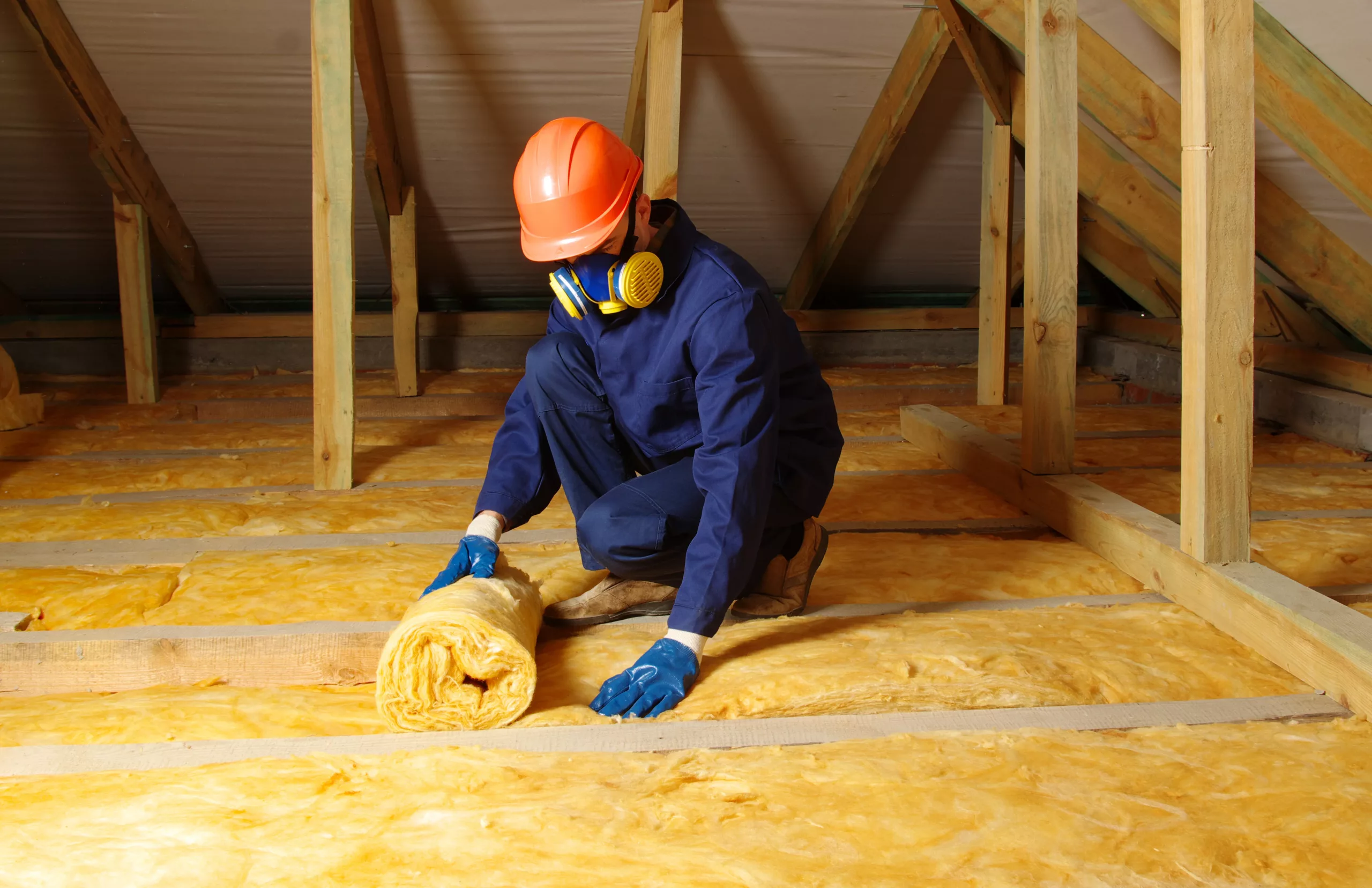
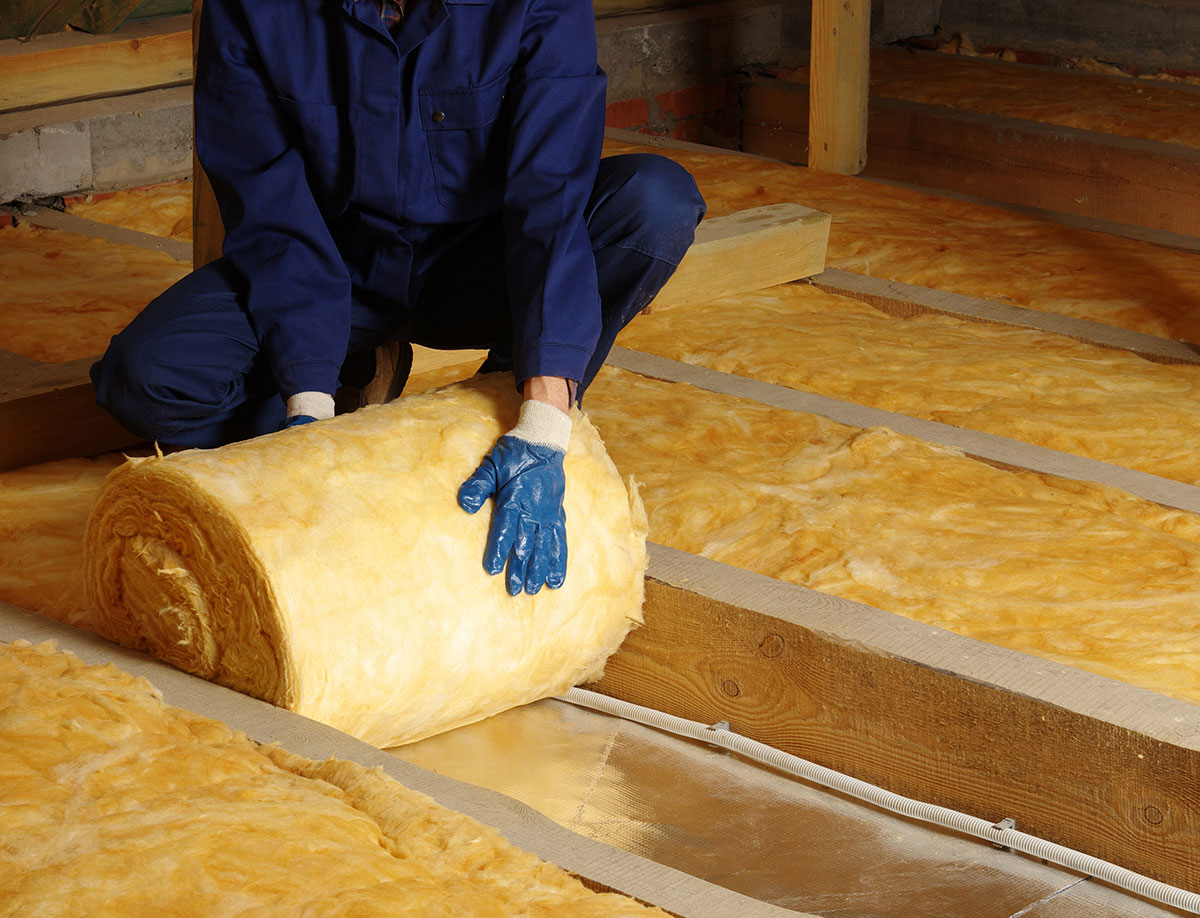
Loft Roll Insulation: Rolls of insulation are placed between the ceiling joists at the loft. This is ideal if you don’t plan to use the attic as anything other than a storage space.
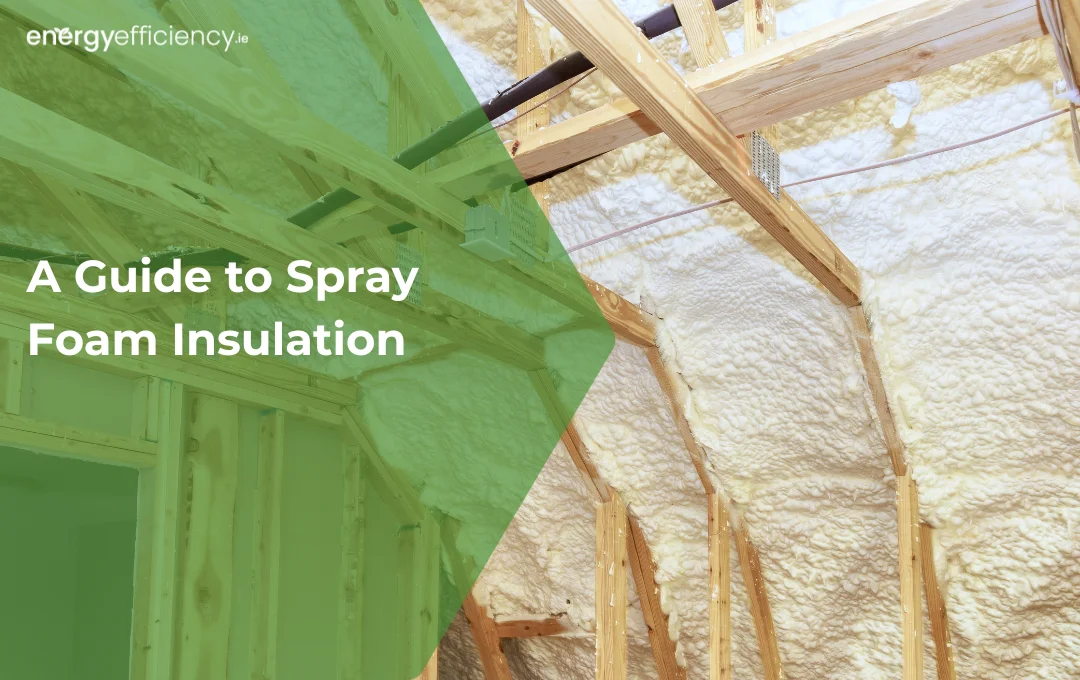
Rafter Insulation: Solid boards or spray foam insulation goes either between or above the rafters. Good for turning an attic into a warm space for habitation.
See the benefits of attic insulation for Irish homes.
Home Cavity Wall Insulation
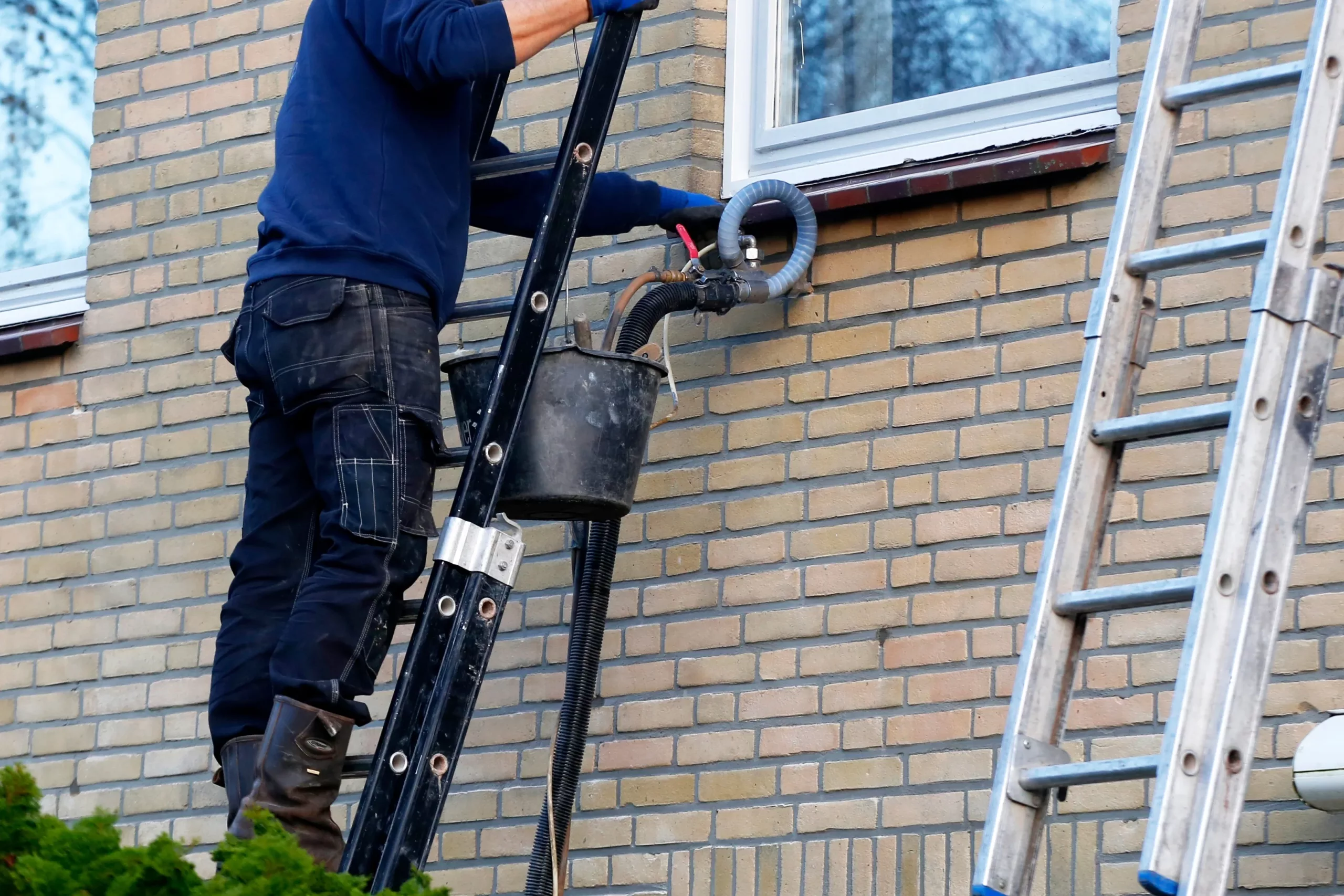
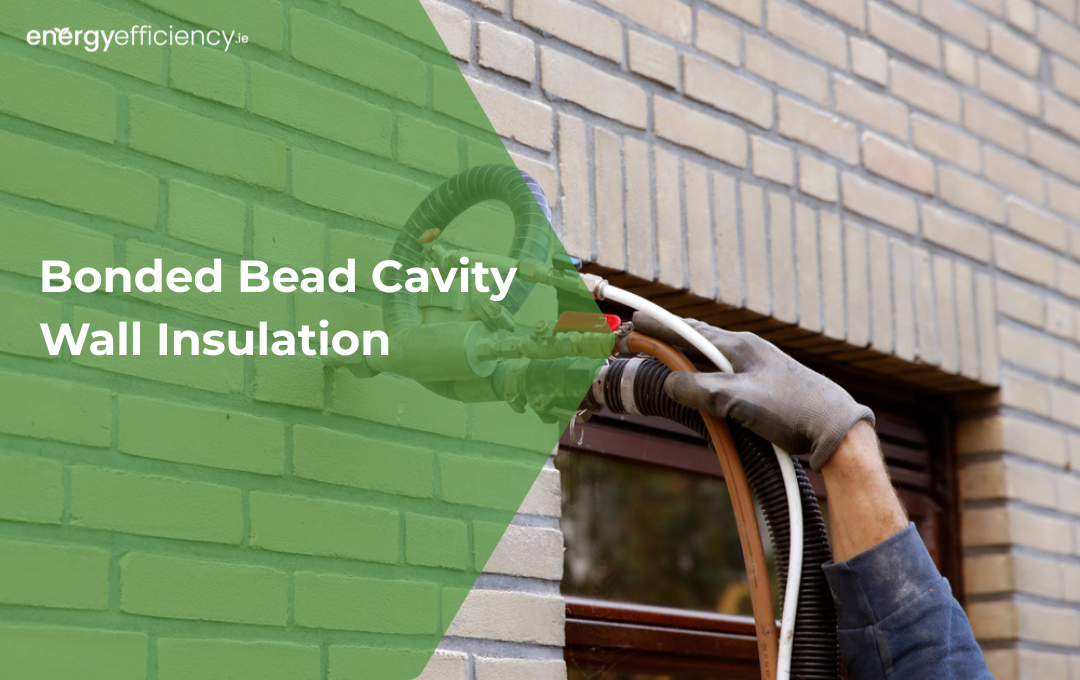
Pumping insulation into the cavity space between the inner and outer walls of a home is a low impact way to improve its thermal efficiency.
Bonded Beads: Polystyrene beads mixed with a binding glue.
Pumped Foam: Expanding polyurethane foam insulation.
Blown Wool: Loose fill cellulose, mineral wool, or sheep’s wool.
See if you have a cavity wall suitable for insulation.
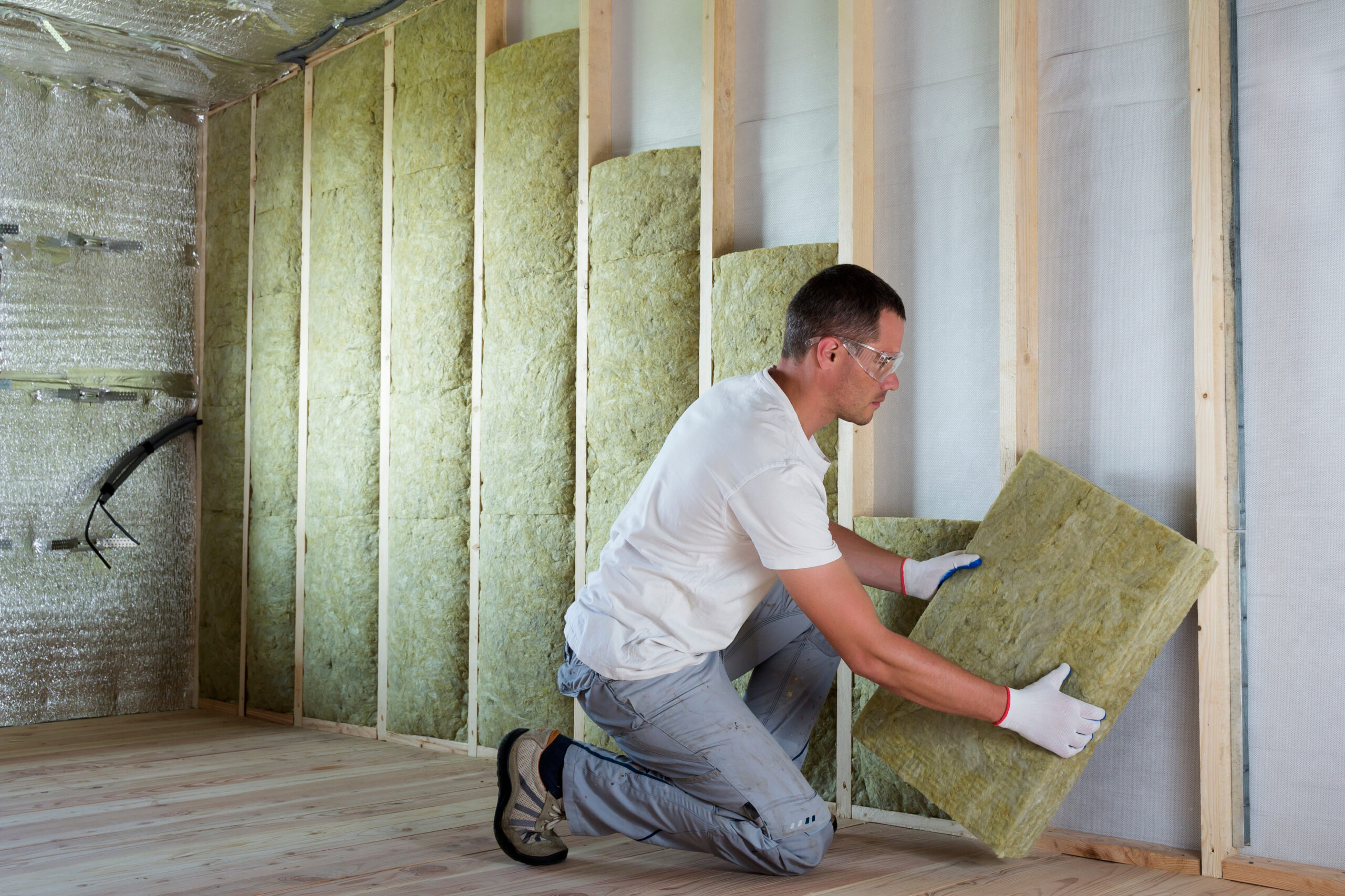
Internal Wall Insulation
Adding insulation to the interior surface of your home’s walls to make them warmer and give them a smoother finish, at the cost of lost floor space.
Dry-Lining: Insulation boards fixed directly to the wall.
Battening: Using wooden or steel battens to attach solid boards
Sud Wall: Creating a frame for wool batts, spray foam, or solid boards.
Can internal insulation help make your home more energy efficient?
External Wall Insulation Systems
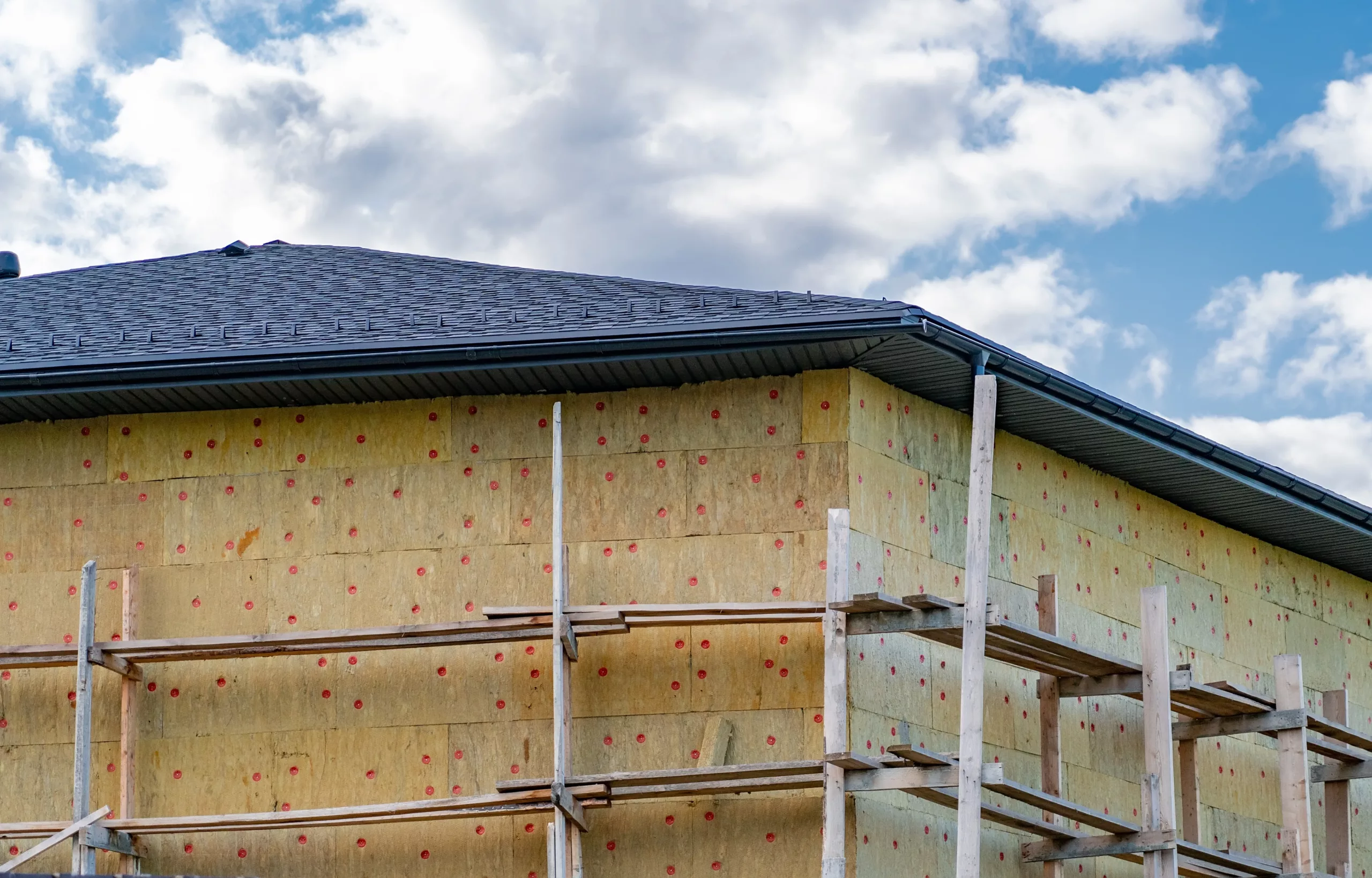
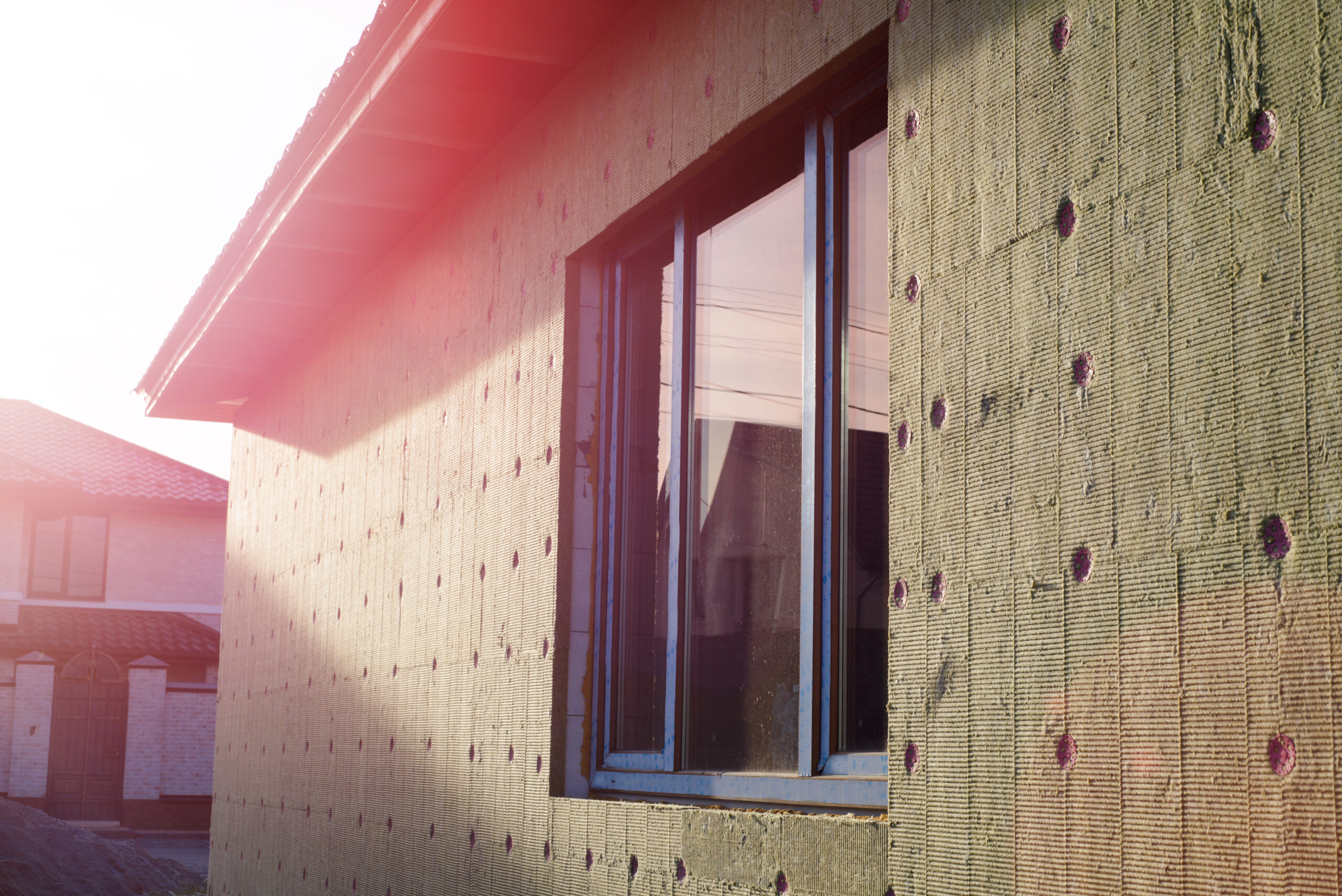
A full wrap around the exterior of your home, protecting it against the weather, draughts, and heat loss. Highly effective, but expensive and may require planning.
Multi-Layered: Uses insulation, a reinforcing mesh, and layers of render finish.
Planning Permission: Planning may be required for external insulation.
Wool or PIR: Dense wool batts or solid boards are used for insulation.
See if your home would benefit from external insulation.
Floor Insulation for Irish Homes
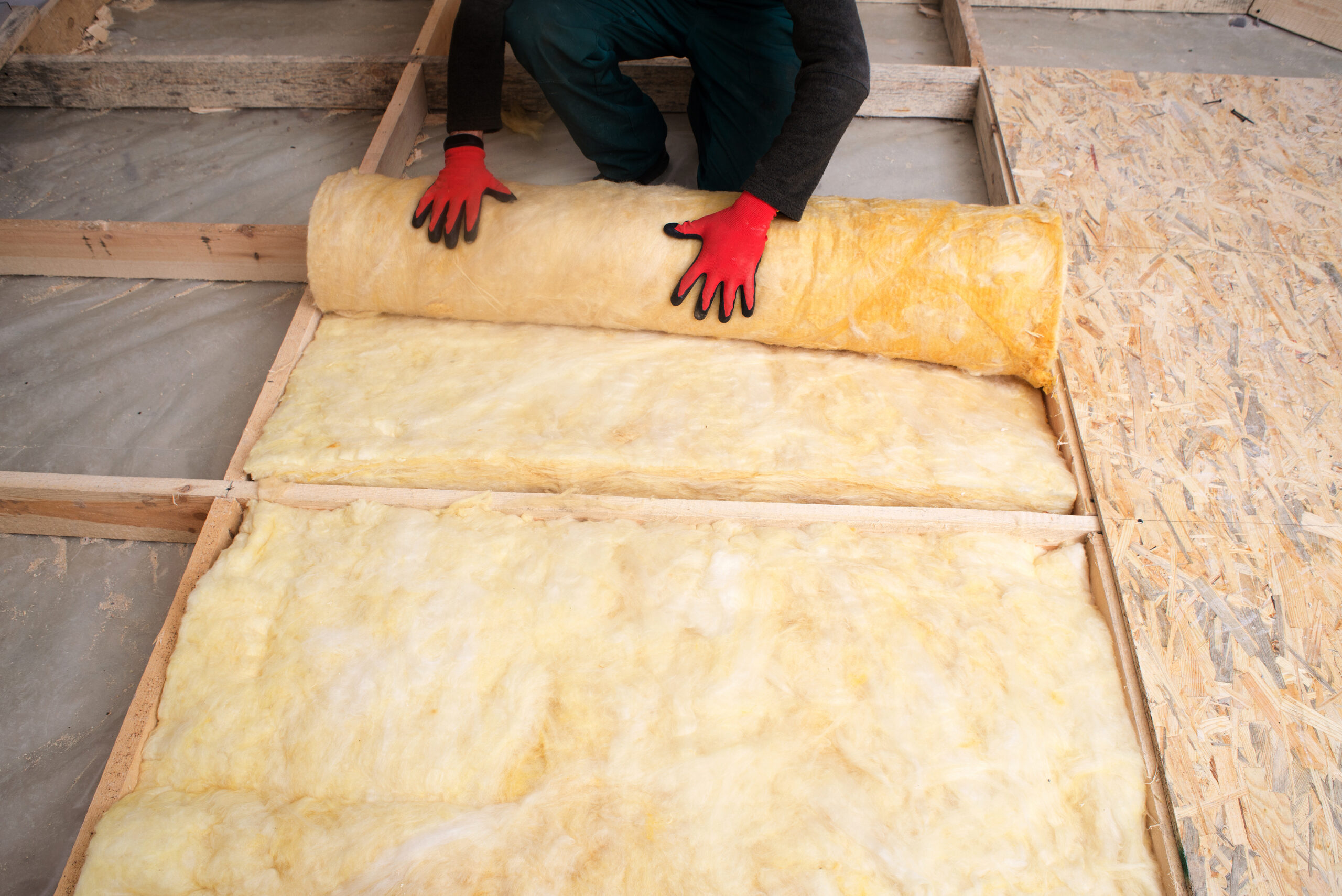
Insulation is placed either above or below the concrete slab of a floor, or between its floor joists.
Suspended Timber Floors: Mineral wool is suspended between the floor joists of an old timber floor.
Concrete Slab Floors: Solid insulation boards are placed either above or below the concrete slab of the floor.
Find out if you need to install insulation under your floors.
Double Wall Insulation
It is very doable to further improve the energy performance of your walls even after getting cavity insulation. Homes which have cavity wall insulation can still also get internal or external wall insulation after the fact.
This can be especially useful in homes with a narrow cavity space that doesn’t get a huge amount of benefit from cavity insulation.
Can you get a whole house insulated at once?
There are two ways to approach home insulation improvements. Once is to carry out these works slowly, tackling only one project at a time. The other is to do a deep retrofit, upgrading your entire home in one go.
Individual Upgrades
Pros
- Less disruptive to your daily life
- Easier to spread the cost out over a longer period
- Have greater control over the work being done
- Greater selection of insulation installers available
Cons
- Fewer SEAI grant measures are available
- Homeowner must manage the project and grants
- Less savings on heating with smaller improvements
Deep Retrofit
Pros
- The greatest possible savings on heating bills
- Additional SEAI grant support is available
- Drastically improved property values from overhaul
- Low cost loans are available to help with the cost
Cons
- Very expensive option to complete at once
- Disruption to home life will be extensive
- Limited number of contractors to choose from
- Expect a long payback period for the high costs
One thing to keep in mind when choosing whether to carry out limited home improvements or a complete retrofit is that they have very different grant systems with the SEAI.
Building Regulations for Home Insulation
There are three key areas of the Part L Building Regulations which would apply to someone adding insulation to their home: U-values, thermal bridging, and airtightness.
The building regulations set a minimum threshold of permitted U-values for different parts of a building, with these limits differing for existing and new buildings. These regulations will apply to most insulation work as they are considered a ‘material alteration’ to the building.
U-Values
- The U-value refers to the thermal transmittance of an area, such as a wall or ceiling.
- This is measured in Watts per metre squared Kelvin (W/m²K).
- The lower the U-value insulation can provide, the better the performance it indicates.
The regulations set a minimum standard that the building area as a whole should achieve. Specific elements can have a worse performance, as long as the area as a whole hits that minimum threshold.
The Technical Guidance Document for these regulations also contained advice on how thermal bridging should be minimised and the best practices for achieve airtightness in building renovations.
Home Insulation Grants
The SEAI provides grants to help homeowners with the cost of installing home insulation. Depending on the insulation measures and your home, this may cover anywhere from 20% to 80% of the cost of insulation.
A number of updates have been made to insulation grants in 2026, increasing the fixed grant value for attic and cavity wall insulation. First time buyers and people on certain benefits can also get enhanced grants for those two measures.
The grant measures available and eligibility criteria depend on whether you go through:
Better Energy Homes: Grants for individual upgrades, managed by the homeowner.
One Stop Shop: A deep retrofit project managed by a selected provider.
Unlock grant funding for home insulation projects.
Different Types of Insulation
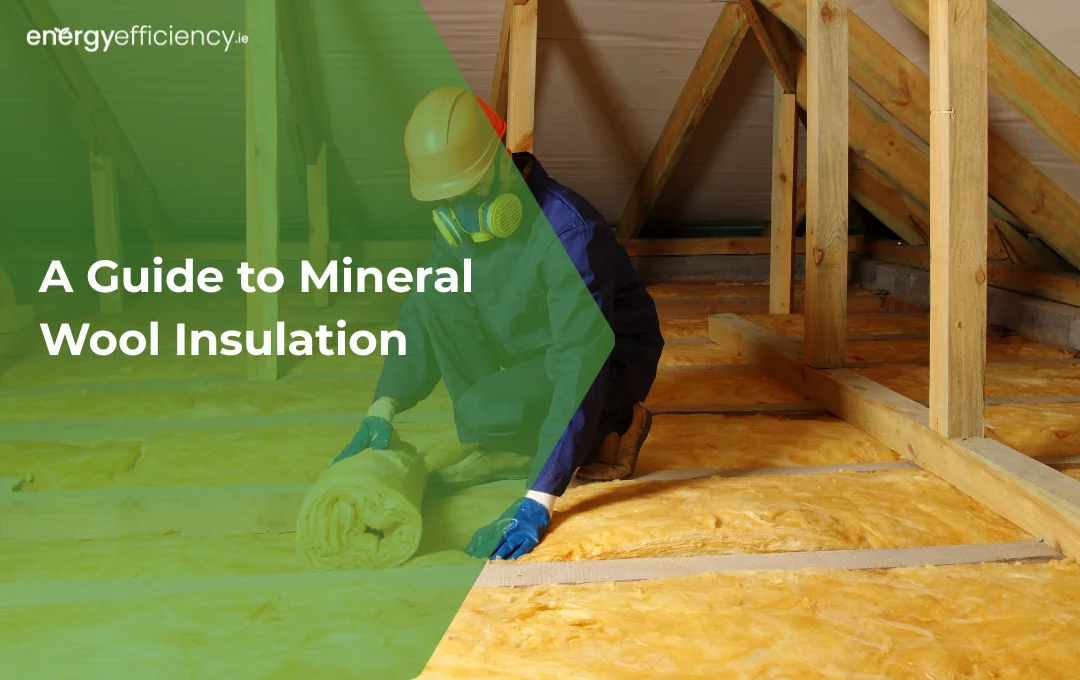
Made From: Melted Glass, stone, or slag fibres
Used In: Attic lofts, timber floors, internal & external walls
Strengths: Affordable, fire & water resistant, sound dampening
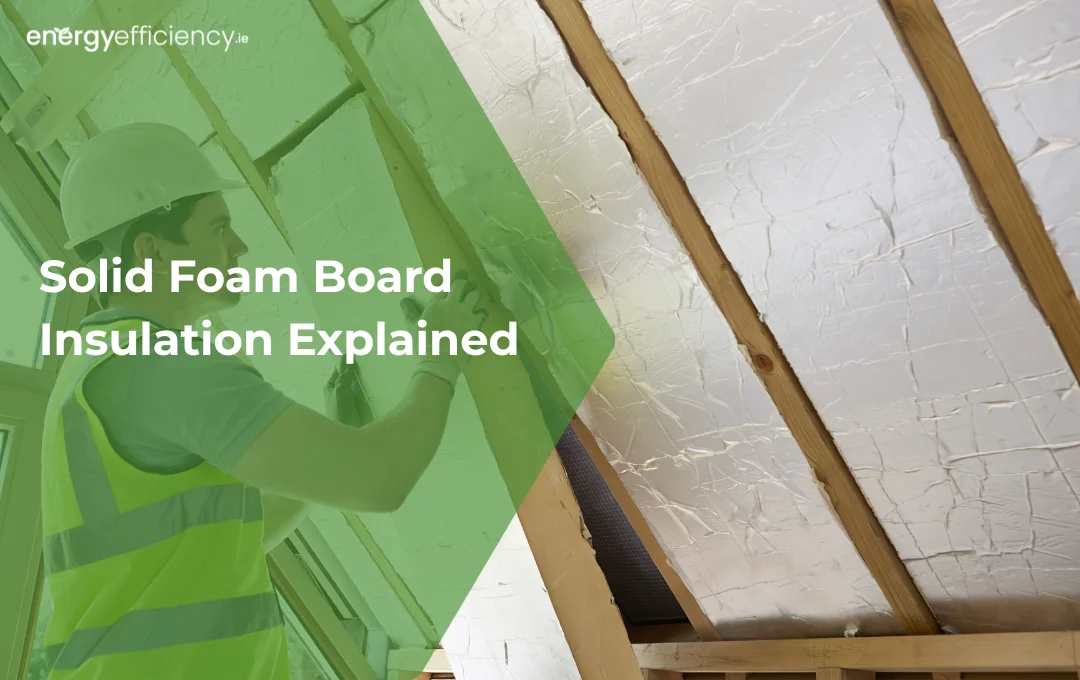
Made From: Polyisocyanurate (PIR), extruded polystyrene (XPS), expanded polystyrene (EPS)
Used In: Attics, solid walls, floors
Strengths: High thermal performance, easy installation, long lasting
Finding a Good Insulation Installer
Home insulation can cost thousands of euro and is meant to keep your home warm for decades to come. Poor installation is one of the most common reasons homeowners fail to see expected insulation savings. It can also make things worse by exacerbating or hiding problems such as damp.
That’s why it’s important to take the time to select a reputable installer. Some of the traits that you should look for in a contractor are:
- Excellent Customer Reviews
- Lengthy Experience and Project History
- Workmanship and Product Warranties
Always make sure that you are using an installer on the list of SEAI-registered contractors. Not only is this necessary to get a grant, but it also shows that they have committed to meeting specific standards, as their work may be inspected. Avoid cowboy builders and enjoy peace of mind that your new insulation will be keeping you cosy for years to come.
Other Ways to Keep the Heat in Your Home
Once you have addressed the fabric of the building, there are other methods for improving the heating situation in your home. These can involve tackling draughts and other poorly performing elements, or improving the efficiency of your heating system.
- 1
Replace Poorly Performing Doors & Windows: Doors and windows are the most important thing to look at after you have addressed insulation. Replacing old single or double-glazed windows with triple-glazed windows, or getting doors with insulation built in, can do wonders for a home.
- 2
Reduce Draughts: Side by side with replacing doors and adding insulation, you should seek to eliminate draughts wherever possible. Very low cost products can be used to seal up gaps around doors, under skirting boards, or other areas that are letting cold air into your home.
- 3
Insulate Hot Water System: Lagging jackets on your hot water tank and pipes can significantly reduce heat loss for a very low cost.
- 4
Reflective Foil Behind Radiators: If you have radiators on the external walls of your home, then some part of the heat they generate is going to be sent through those walls. This is especially an issue if you haven’t done wall insulation yet.
FAQs
No, in most cases, you will not need planning permission for home insulation. The only times you might are with external wall insulation, or if you are dealing with a protected structure. Consult the local authority if you have any doubts about whether planning permission is required.
Yes, the Home Energy Upgrade Loan Scheme is a government backed programme that allows homeowners to borrow up to €75,000 with interest rates starting as low as 2.99%.
This will depend on the insulation work being done. Cavity wall or attic loft insulation could be completed in a single day. Larger projects such as internal or external wall insulation could take days or weeks to complete.
Yes, getting insulation installed is one of the most important ways to improve the BER rating of a home.
This will depend on the insulation work being done. Cavity wall or attic loft insulation could be completed in a single day. Larger projects such as internal or external wall insulation could take days or weeks to complete.
Yes, getting insulation installed is one of the most important ways to improve the BER rating of a home.
Likely yes. Heat pumps require homes to have a very low level of heat loss. Improving the insulation of your building fabric is the first step towards making your home heat pump ready.