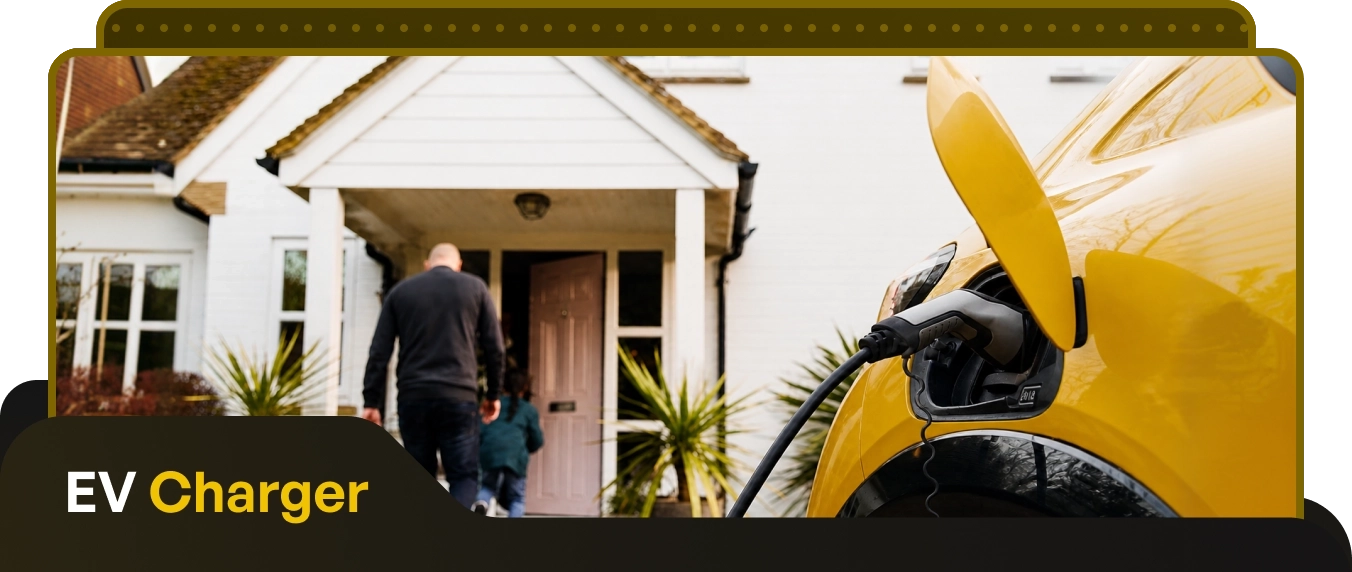


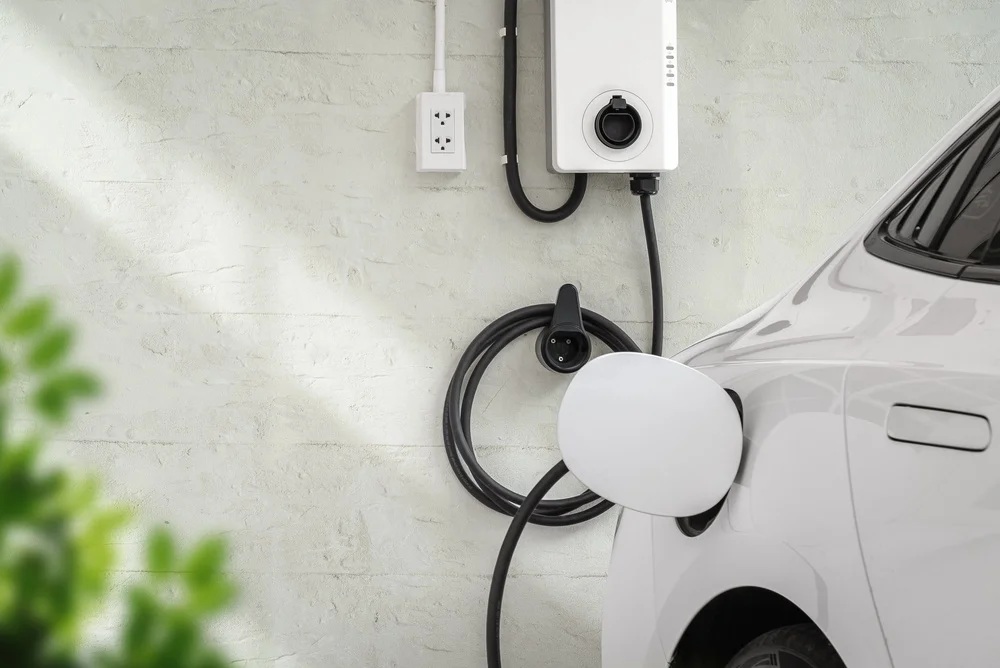
Overnight charging at home
Charge your car while you sleep with a 7kW EV charger and never worry about your battery when you drive.
Plug it in before going to bed and you can wake up to a fully charged car, ready for the day ahead. No need to look for a charger during the day.
You can also schedule your electric car charger to run at a specific time overnight if you switch to an EV electricity plan with discounted rates.

Fully charge your EV in hours
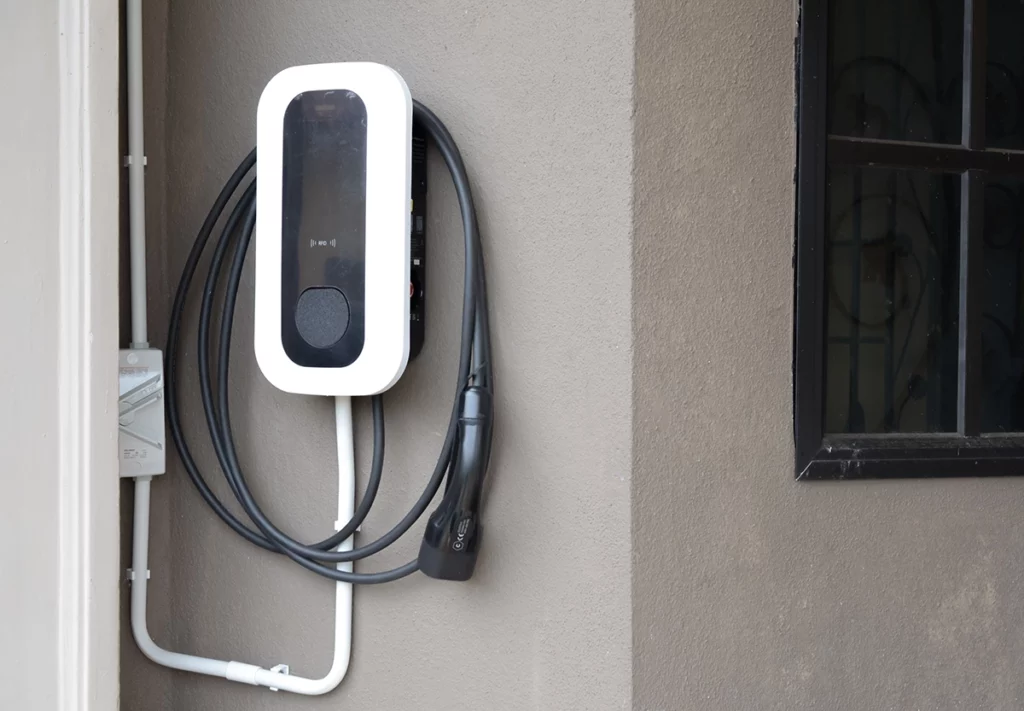
A 7kW car charger can fully charge most popular EVs in under 10 hours. Every hour of charging can add more than 40km of range to your car.
Just 8 hours of charging can give you 56kWh of charge – enough for a full week of driving for many motorists.
In practice, most people rarely have to fully charge their EV, as daily journeys use up only a fraction of the battery.
Affordable charger costs
Getting an EV charger installed in Ireland typically costs between €900 and €1,600. This includes both the price of the 7kW charger and the cost of having it installed. Prices are affected by the make and model of the charger.
A €300 SEAI grant can reduce that cost substantially, while any electrical upgrades your home needs could increase it. With the grant, the final price will be €600 – €1,300 for home chargers.
Get a Free EV Charger Quote
Get a Free EV Charger Quote
Get a free personalised installation quote for an EV charger on your home
No Obligation
- SEAI Approved Installers
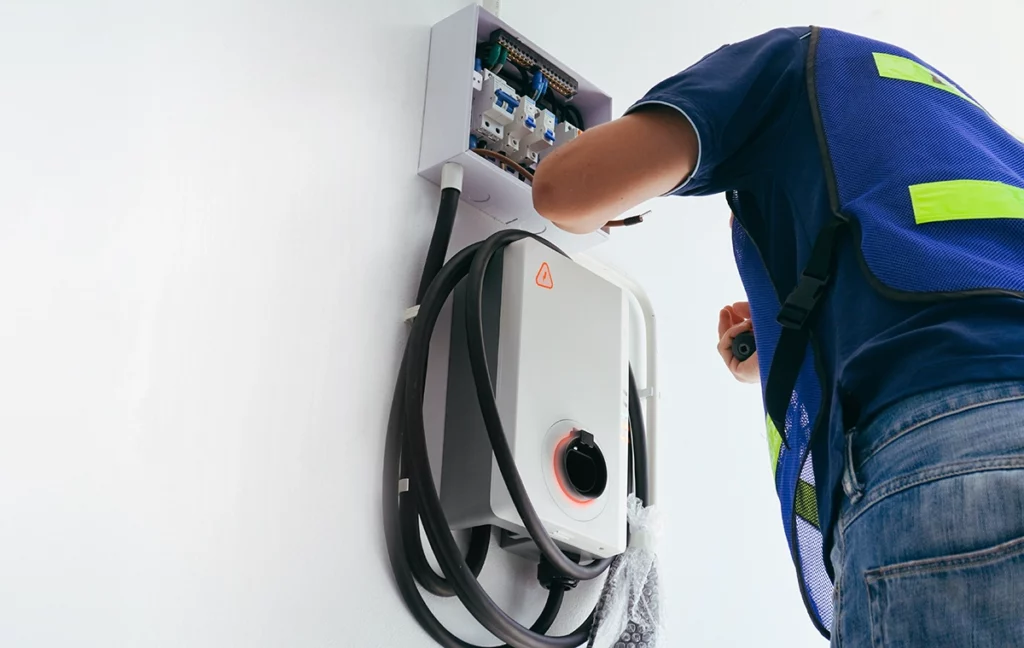
Simple installation for any home
Installing a 7kW charger is relatively simple, since it is compatible with the existing power supply of any home. They work with a 32A and 230V single phase power supply which is standard in Irish homes.
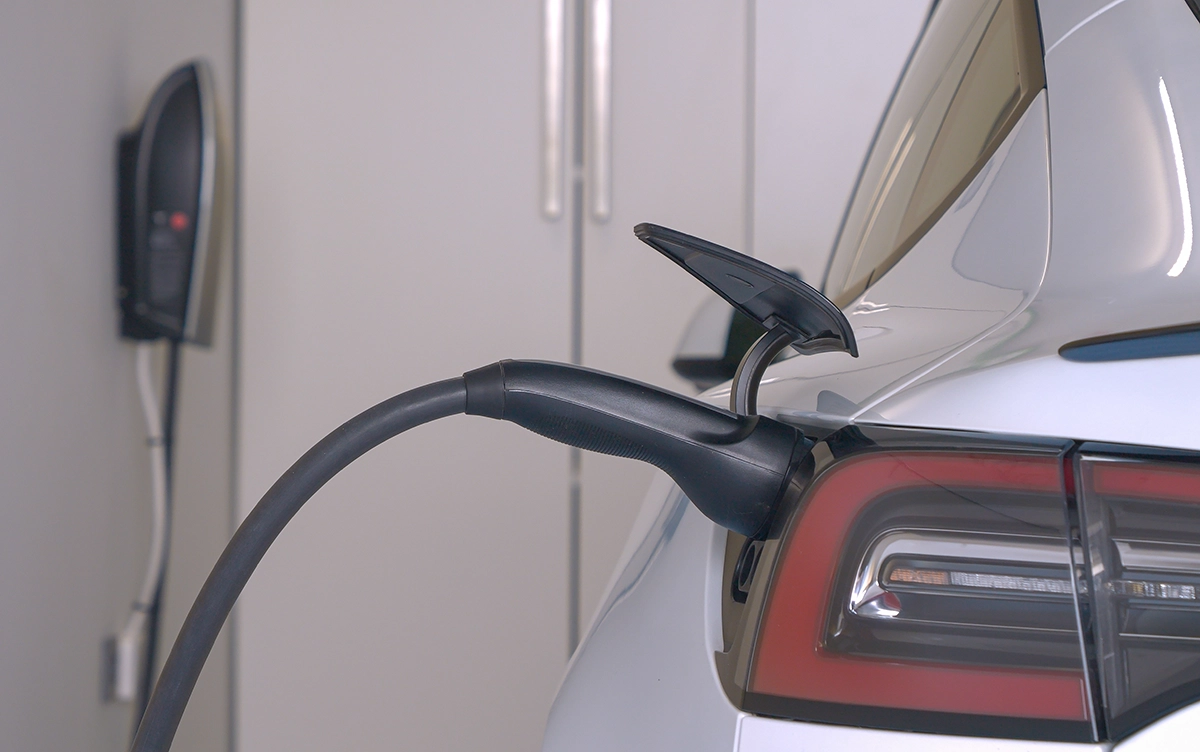
In most cases the charger is mounted on an external or garage wall, but it can also be attached to a pedestal if the wall is not convenient.
Features for easy charging
Modern EV chargers have various features which allow for easy home charging:

Schedule charging
The ability to schedule charging sessions for an electric car is a must. With this you can plug in your charger in the evening, but it will only start to charge at the designated time.

Solar excess charging
With so many homes installing solar panels these days, a good charger should be able to tell when there is surplus power available. This lets you charge for free with clean energy.

Cable length
Whether tethered or untethered, the length of your charging cable is important for how close you need to get your EV’s port to the charger. Cables can be anywhere from 5m to 10m in length.

Load balancing
This allows the charger to dynamically alter its output based on the current load in your home. It is essential for both safety and utility. It also makes it less likely you will need to carry out some electrical upgrades.
Read more in our guide to Comparing EV Chargers to help you see which suits your needs.
Other EV charger options
While 7kW chargers are the most common for homes, there are other options. Some homes, and many small businesses, can also benefit from installing 11kW or 22kW chargers for customers.
Reduce your driving costs by over 60% with a home EV charger
Take our 30-second assessment and start saving on the cost of driving today.